
Our Mission
Flora of the World is dedicated to documenting the diversity of flowering plant families in their native environments, with a special focus on global biodiversity hotspots. Through the combined use of digital imagery and carefully collected physical specimens, the project aims to capture the morphological, ecological, and geographic context of the world's flowering plants. The project also aims to record botanical garden inventories worldwide.
Our History
Flora of the World was founded by the late Dr. Christopher Davidson (1944–2022), an Idaho-born botanist and passionate advocate for global plant exploration and conservation. Over more than 25 years, Dr. Davidson and his wife, Sharon Christoph, traveled to 45 countries—many of them multiple times—to document flowering plants in situ and to support botanical research and conservation efforts around the world.
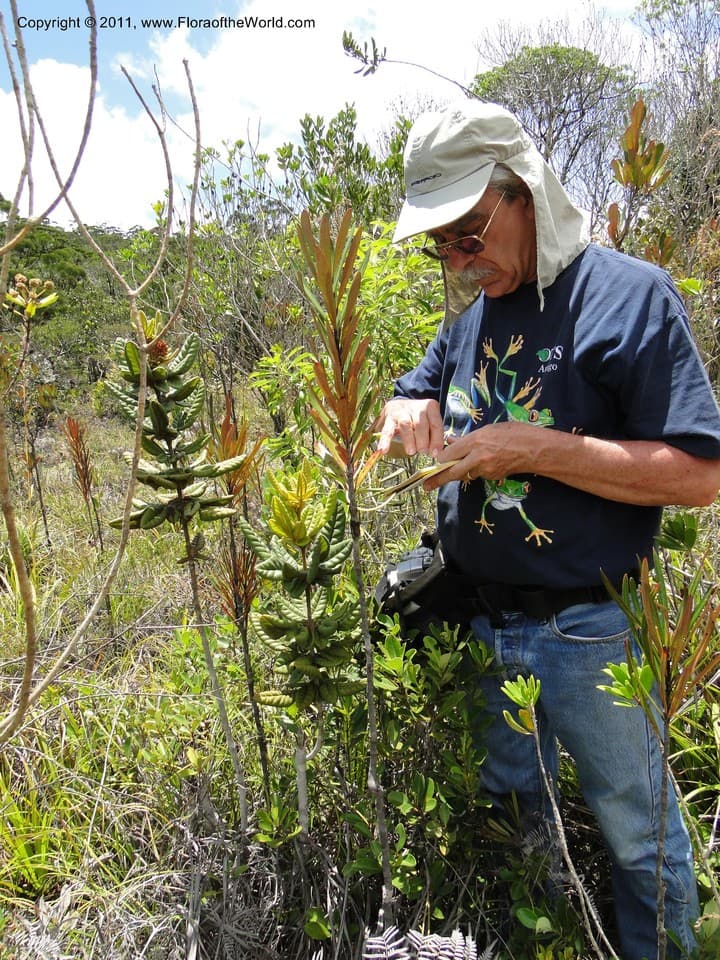
Dr. Christopher Davidson collecting Pancheria hirstua (Cunoniaceae; Lowry II P.P., et al. 7209) in New Caledonia.
In addition to his field-based work, Dr. Davidson played a significant role in advancing botanical education and conservation in Idaho. He founded the Idaho Botanical Garden (Boise, Idaho, USA), creating a community resource dedicated to plant conservation, public engagement, and education. Dr. Davidson and Sharon Christoph also privately own two botanical gardens—one in Boise and one in McCall (Idaho, USA)—which serve as living collections that reflect their shared commitment to safeguarding and celebrating plant diversity.
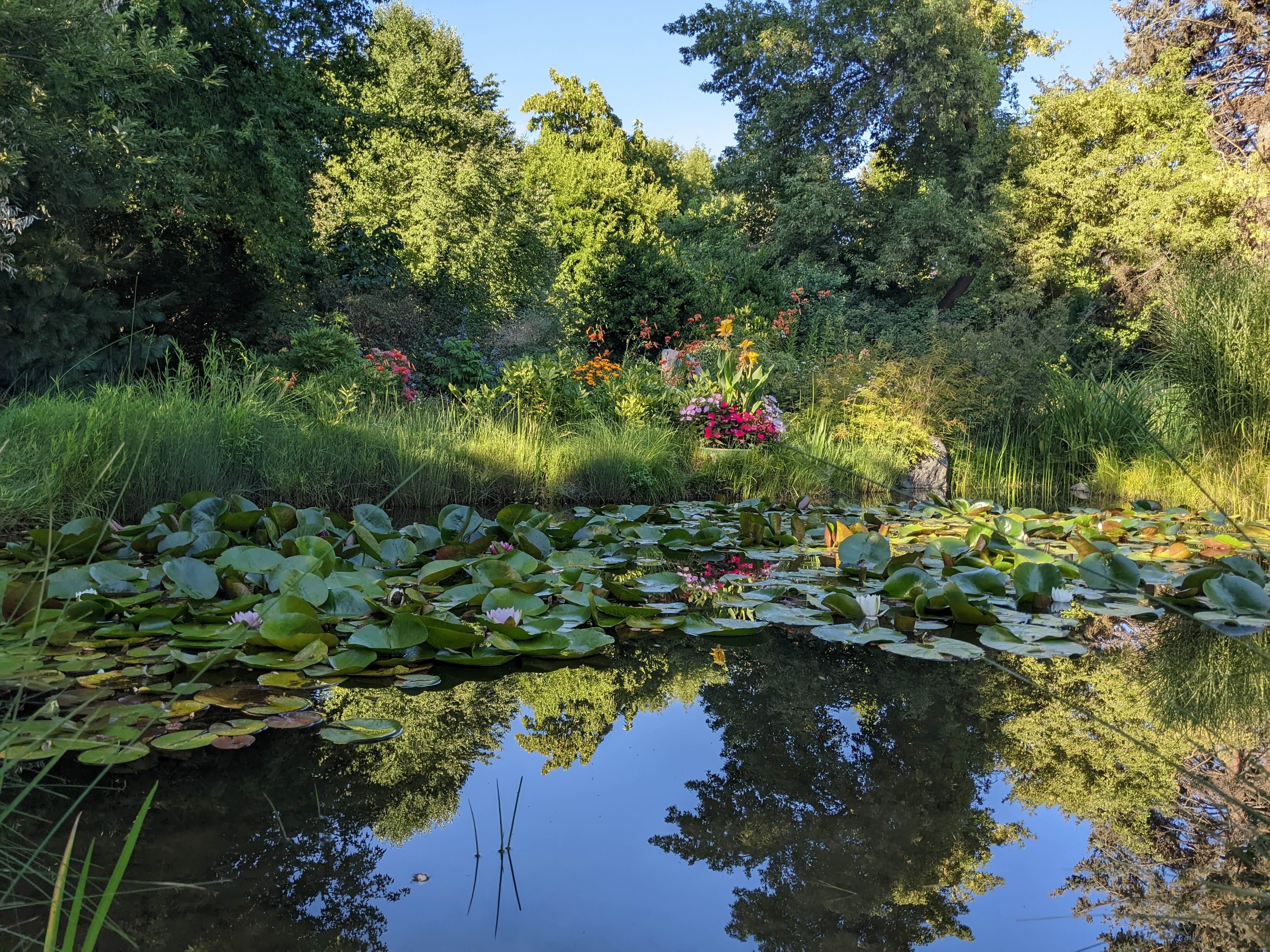
Private, family-owned botanical garden in Boise (Idaho, USA).
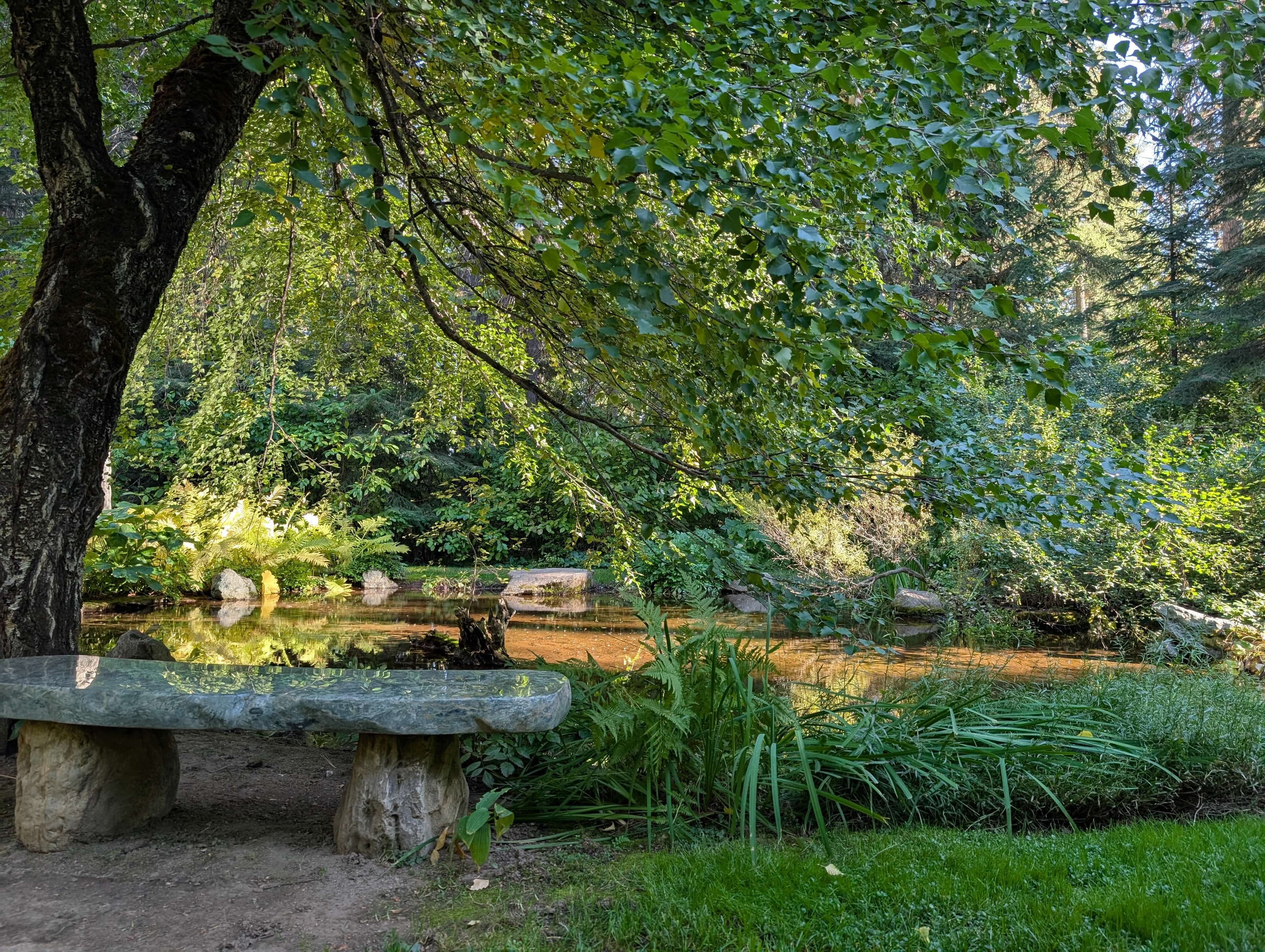
Private, family-owned botanical garden in McCall (Idaho, USA), known as Charlie's Garden at Sylvan Beach.
Our Collection
Today, the Flora of the World database includes:
- 242,344 digital images, with more than 80,000 additional images awaiting processing
- 19,640 documented occurrences, most paired with herbarium specimens held in collections worldwide
- Verified observations spanning 482 families, 4,520 genera, and more than 6,006 species
Each occurrence is represented by an average of 12 detailed photographs, capturing key diagnostic features, habitat context, and morphological variation. This level of documentation makes Flora of the World an exceptional resource for taxonomists, ecologists, conservation biologists, and educators.
Supporting Research & Conservation
To enrich this photographic record, Dr. Davidson also built an exceptional private library of natural history, botanical, and rare books that provides essential taxonomic and ecological context. A long-term goal of the project is to integrate this library with the digital image database, broadening its value as a research and educational tool.
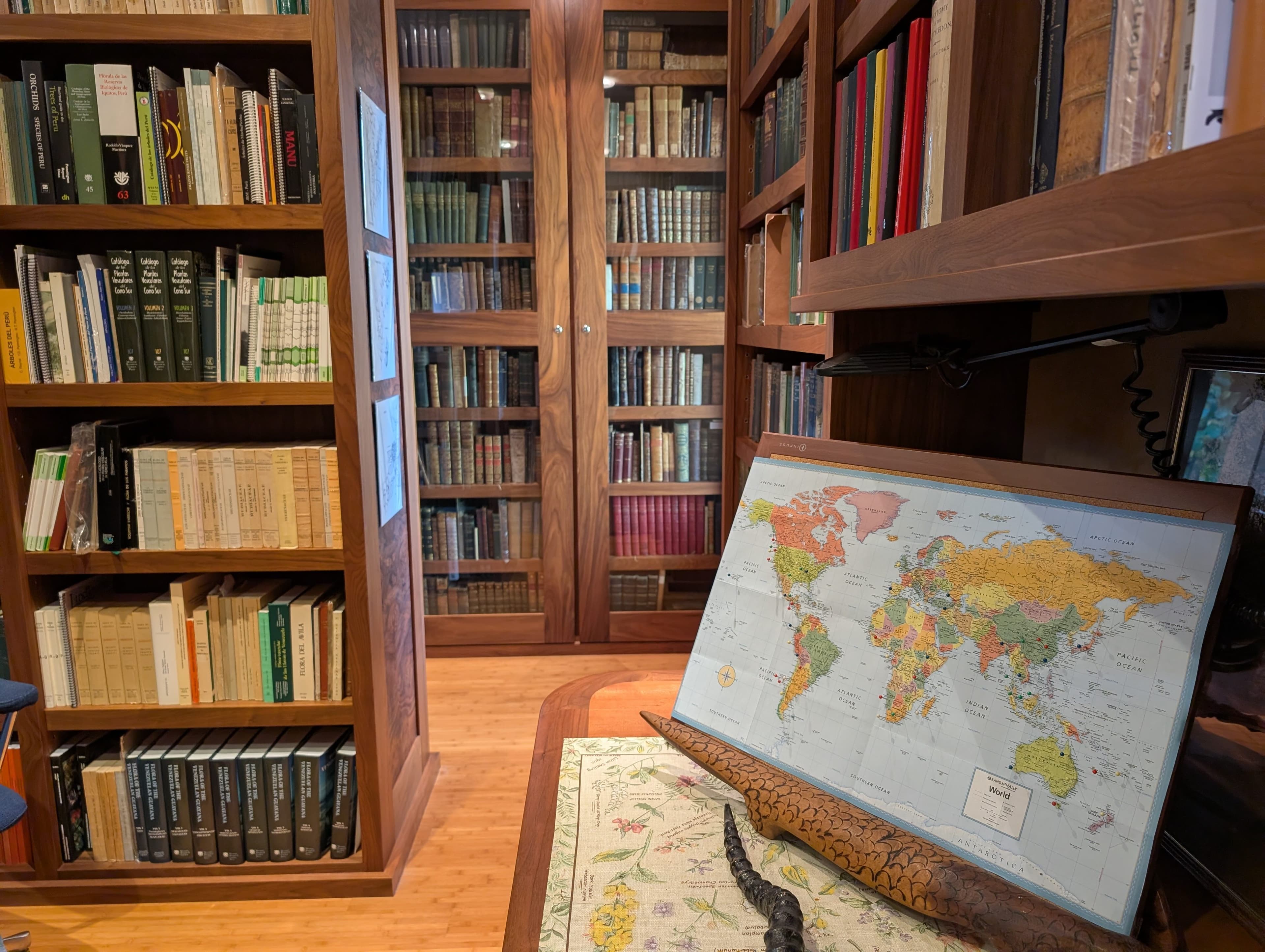
Botanical library established by Dr. Christopher Davidson to support the Flora of the World project.
Flora of the World has been made possible through the collaboration of plant collectors, herbaria, and botanical institutions worldwide. To acknowledge and highlight these vital contributions, the project provides:
- Individual collector profiles (e.g., Dr. Davidson), linked to documented occurrences and associated publications
- A publication database showcasing research that incorporates Flora of the World data or has been conducted in collaboration with our team
- Institutional webpages dedicated to partner herbaria, gardens, and research organizations, recognizing their contributions and helping connect their work to a global audience
These features underscore our commitment to transparency, collaboration, and accessibility within the global botanical community.
Keeping the Mission Alive
In 2024, the Dr. Christopher Davidson Endowed Chair in Botany was established at Boise State University (Idaho, USA), creating a lasting home for the mission Dr. Davidson began. This endowed position advances botanical education, research, and international collaborations.
The inaugural Davidson Chair is Associate Professor Sven Buerki, whose prior research at the Royal Botanic Gardens, Kew, and the Natural History Museum in London focused on plant collecting, systematics, and the evolution of flowering plants—especially within biodiversity hotspots. His work has contributed to the formal classification of one plant family, four genera, and 33 species.
Dr. Buerki participated in numerous field expeditions with Dr. Davidson and Sharon Christoph, forming a close scientific partnership and friendship. Continuing this mission is both a professional commitment and a personal honor.
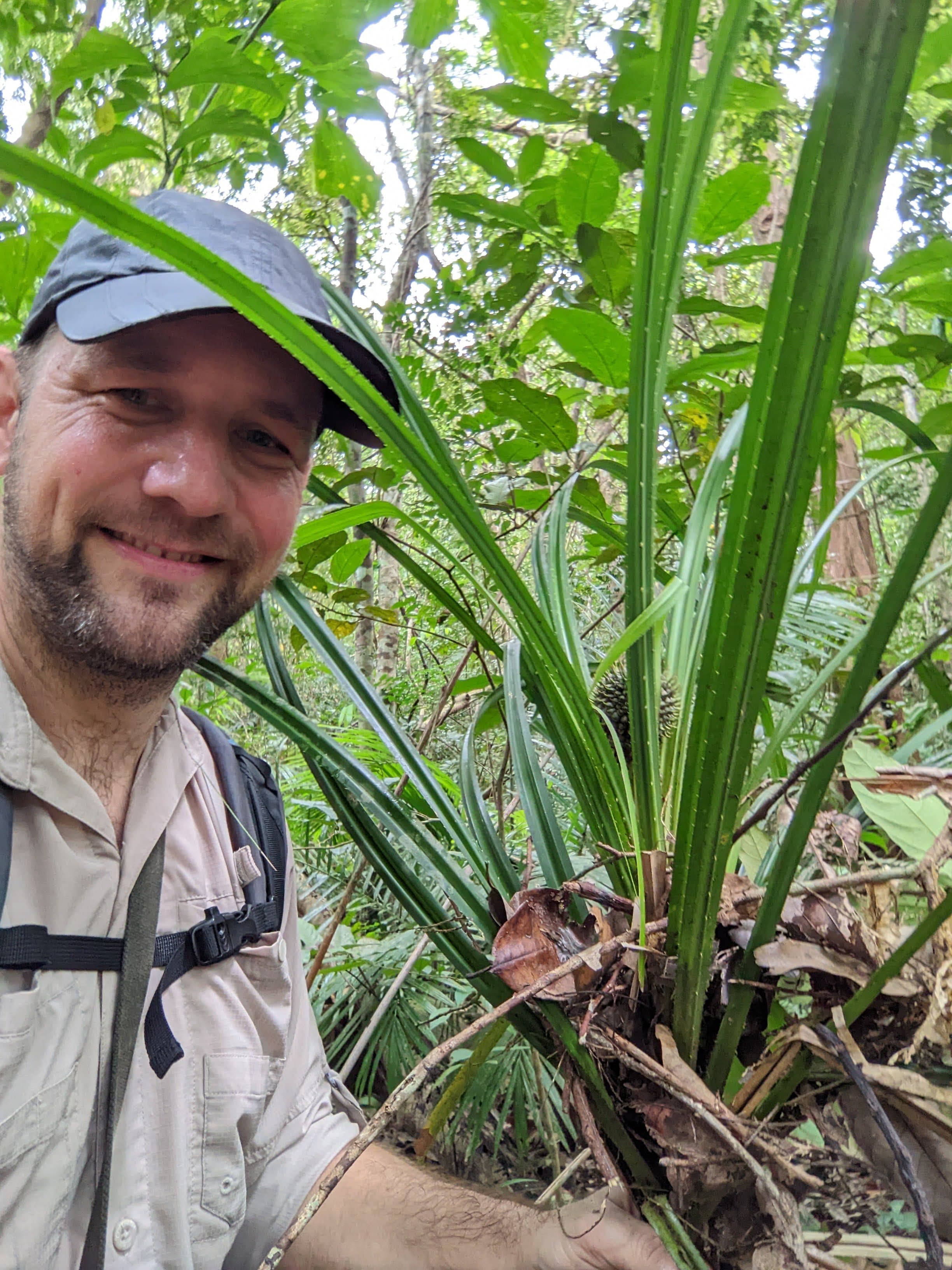
Dr. Sven Buerki collecting a Pandanaceae in Thailand.
Our Contribution to the Broader Community
Flora of the World is committed to fostering collaboration and engagement with the global botanical community. By sharing high-quality images of plants in their native habitats, the project aims to support researchers, educators, conservationists, and plant enthusiasts alike. Through continued partnership and shared expertise, Flora of the World seeks to inspire deeper appreciation, understanding, and stewardship of plant biodiversity.
As part of our commitment to supporting the global botanical community, Flora of the World has joined the World Flora Online project. This international initiative advances Target 1 of the Global Strategy for Plant Conservation, which calls for a widely accessible, comprehensive overview of the world's plant diversity. As emphasized by the United Nations Decade on Biodiversity, having reliable, shared knowledge about plants is essential for understanding and safeguarding our planet's botanical heritage.
Through our participation, Flora of the World helps strengthen this global effort by providing openly shared digital resources. Our images, herbarium specimens, and associated metadata directly support:
- taxonomic research and species discovery
- conservation assessments and Red List evaluations
- botanical garden curation and collection management
- public education and outreach