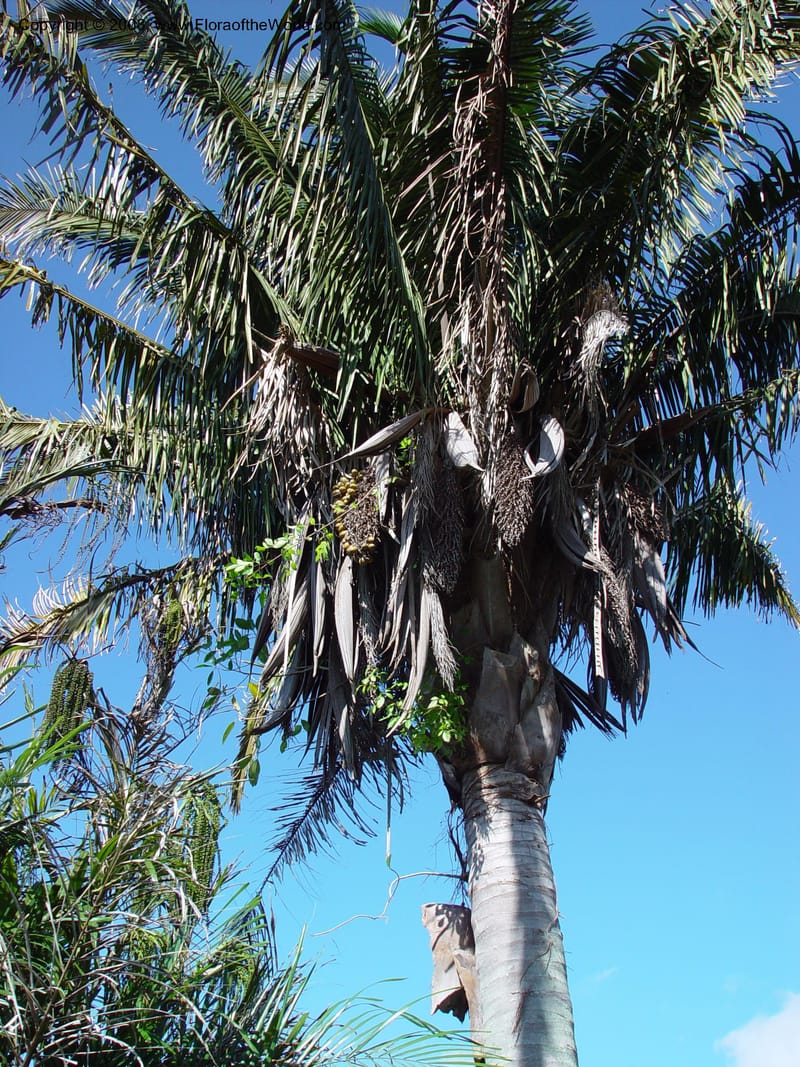
Attalea butyracea. 981097 A--FL. Fairchild Tropical Gard. 16 Jan 03. 045.jpg
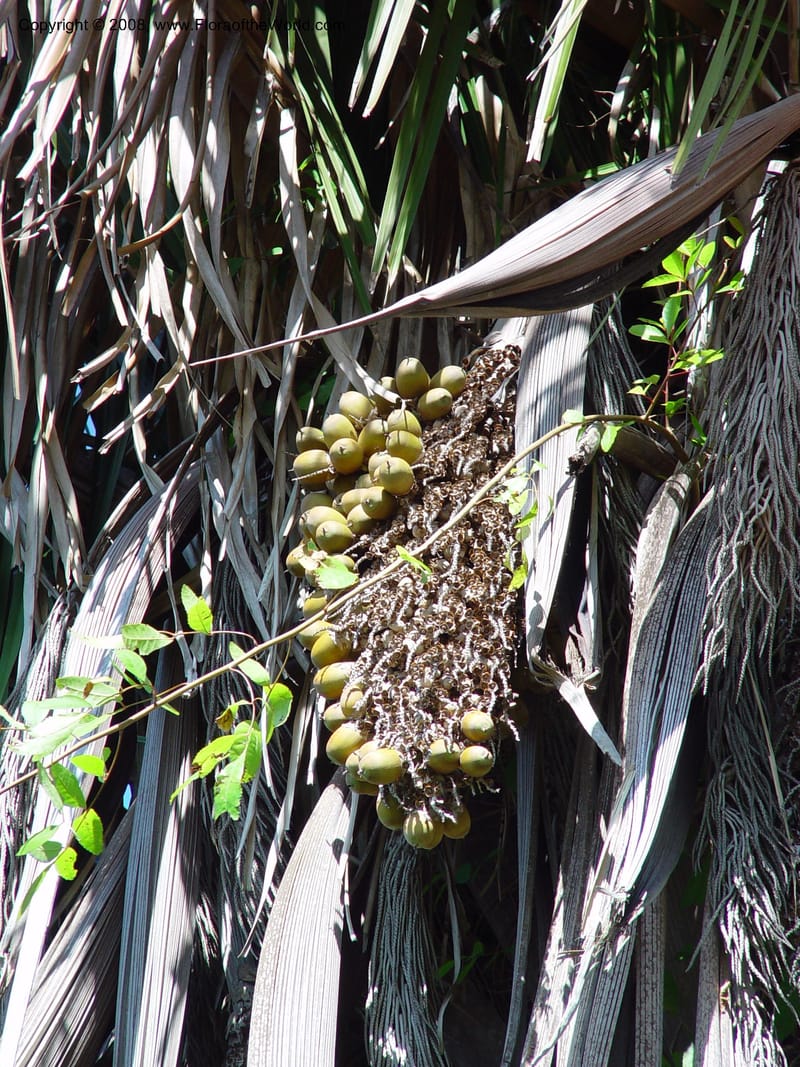
Attalea butyracea. 981097 A--FL. Fairchild Tropical Gard. 16 Jan 03. 046.jpg
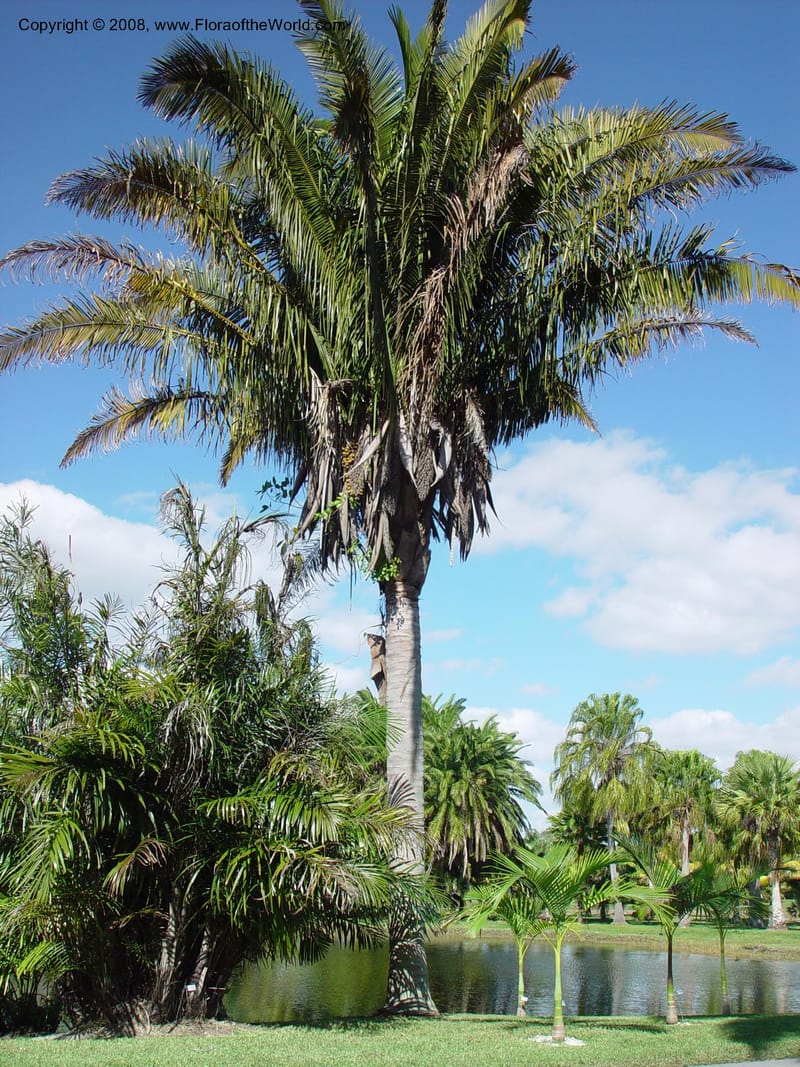
Attalea butyracea. 981097 A--FL. Fairchild Tropical Gard. 16 Jan 03. 047.jpg
Native to Bolivia, Brazil North, Brazil West-Central, Colombia, Costa Rica, Ecuador, Guatemala, Honduras, Mexico Gulf, Mexico Southeast, Mexico Southwest, Nicaragua, Panamá, Peru, Trinidad-Tobago, Venezuela (source: POWO). Flora of the World documents 1 occurrence across 1 country.
Distribution from Plants of the World Online (POWO). View the accepted name on POWO
Location
United States, Florida, Miami-Dade County (Coral Gables, Fairchild Tropical Botanic Garden)
25.676781, -80.272034
Location Remarks
10901 Old Cutler Rd., Coral Gables
Collectors
No collectors specified
What is EDGE?
Evolutionary distinctiveness
Lower
ED 1.0
Part of a well-represented branch of the plant tree of life, with many close relatives.
Threat status
Modelled estimate
EDGE score
0.1
Global rank
#282,953 of 335,497
Top 85%
Extinction probability
9%
