Flora of the World logo
MapPublicationsInstitutionsImpactAboutContactAcknowledgements

Copyright © 2008-2026 Flora of The World. All Rights Reserved.

Visit floraoftheworld.orgLogin
Home

›

Brassicales

›

Brassicaceae

›

Cardamine

›

heptaphylla

Taxon

Cardamine heptaphylla (L.) O.E.Schulz

Protologue Bot. Jahrb. Syst. 32(2-3): 371. 1903BHL pageIPNI
AcceptedGBIF
Predicted not threatened
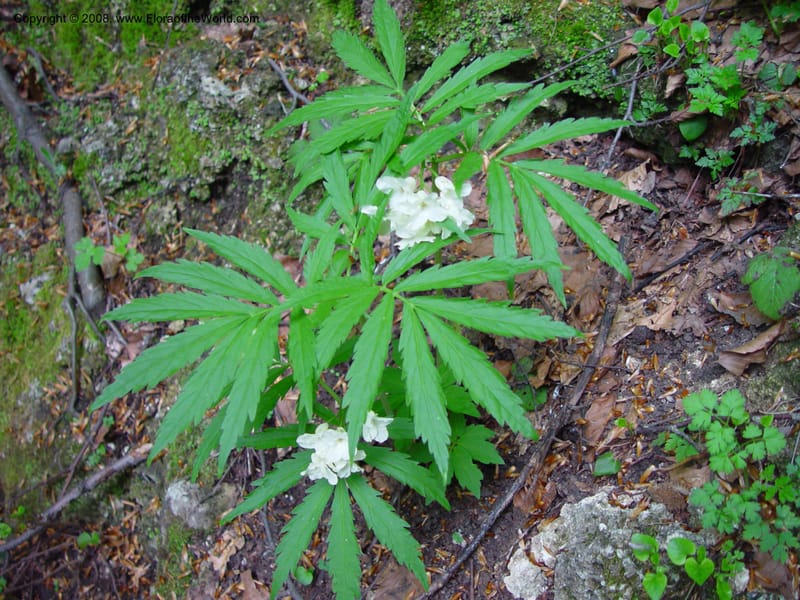
Cardamine heptaphylla--Italy. Abruzzo. Parque Naz. Majella. 8 May 03. 069.jpg
Cardamine heptaphylla--Italy. Abruzzo. Parque Naz. Majella. 8 May 03. 069.jpg

By Christopher Davidson

CC-BY-NC-SA-4.0

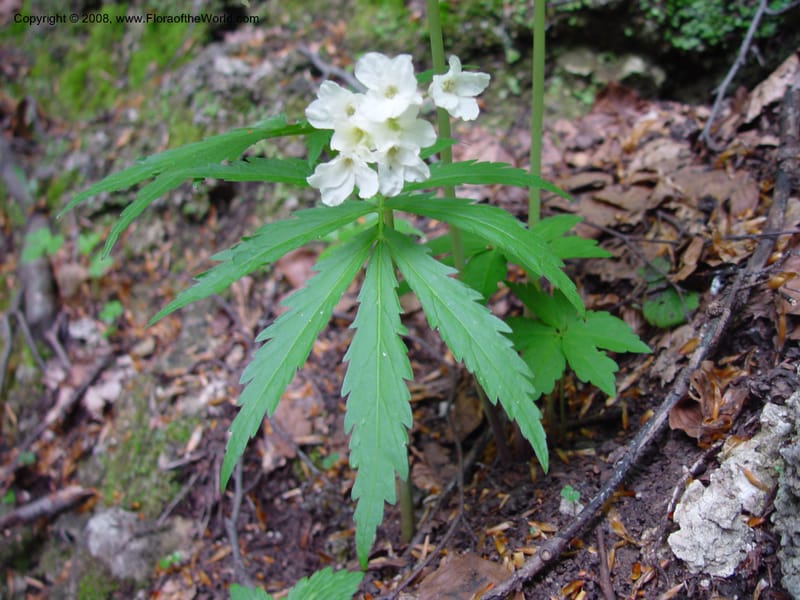
Cardamine heptaphylla--Italy. Abruzzo. Parque Naz. Majella. 8 May 03. 068.jpg
Cardamine heptaphylla--Italy. Abruzzo. Parque Naz. Majella. 8 May 03. 068.jpg

By Christopher Davidson

CC-BY-NC-SA-4.0

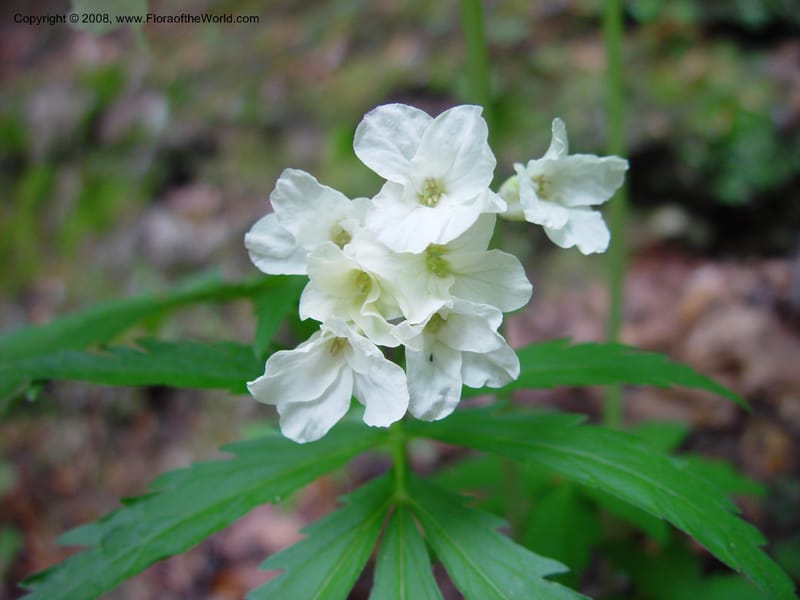
Cardamine heptaphylla--Italy. Abruzzo. Parque Naz. Majella. 8 May 03. 067.jpg

Cardamine heptaphylla--Italy. Abruzzo. Parque Naz. Majella. 8 May 03. 067.jpg

By Christopher Davidson

CC-BY-NC-SA-4.0

Native to France, Germany, Italy, Spain, Switzerland; introduced into Great Britain (source: POWO). Flora of the World documents 1 occurrence across 1 country.

Distribution

Distribution from Plants of the World Online (POWO). View the accepted name on POWO

Occurrences

No collection number

May 8, 2003

Location

Italy, Abruzzo (Torino di Sangro)

42.226111, 14.553611

Location Remarks

Riserva Naturale Torino di Sangro. Strada Communale Lentisco.

Collectors

No collectors specified

Classification

Kingdom

Plantae

Phylum

Tracheophyta

Class

Magnoliopsida

Order

Brassicales

Family

Brassicaceae

Genus

Cardamine

Specific Epithet

heptaphylla

Authorship

(L.) O.E.Schulz

Taxonomic Opinions

GBIFWFOPOWO

Conservation (EDGE)

What is EDGE?

Evolutionary distinctiveness

Lower

ED 2.5

Part of a well-represented branch of the plant tree of life, with many close relatives.

Threat status

Predicted not threatened

Modelled estimate

EDGE score

0.2

Global rank

#189,201 of 335,497

Top 57%

Extinction probability

10%

Source: Flowering plants EDGE assessment →