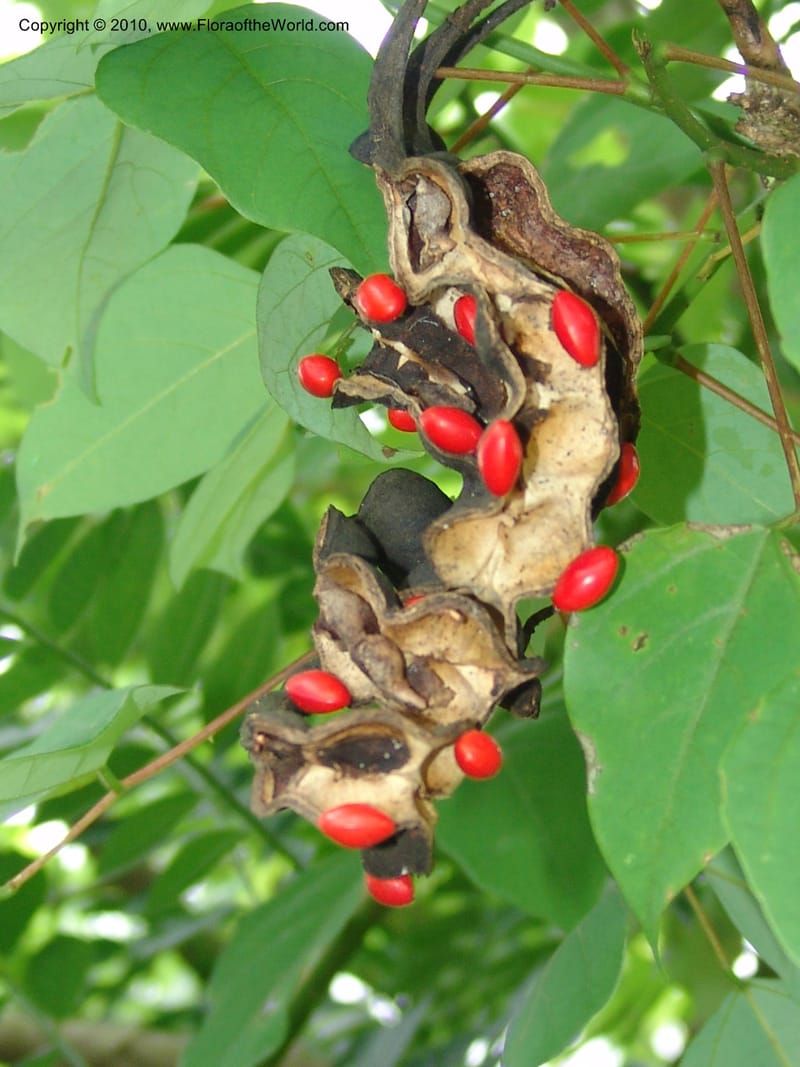
Erythrina smithiana, Croat 96023--Ecuador. Edo. Los Rios. Cerro Samama, SW of Pita. 18 Mar 06. 028 (1).jpg
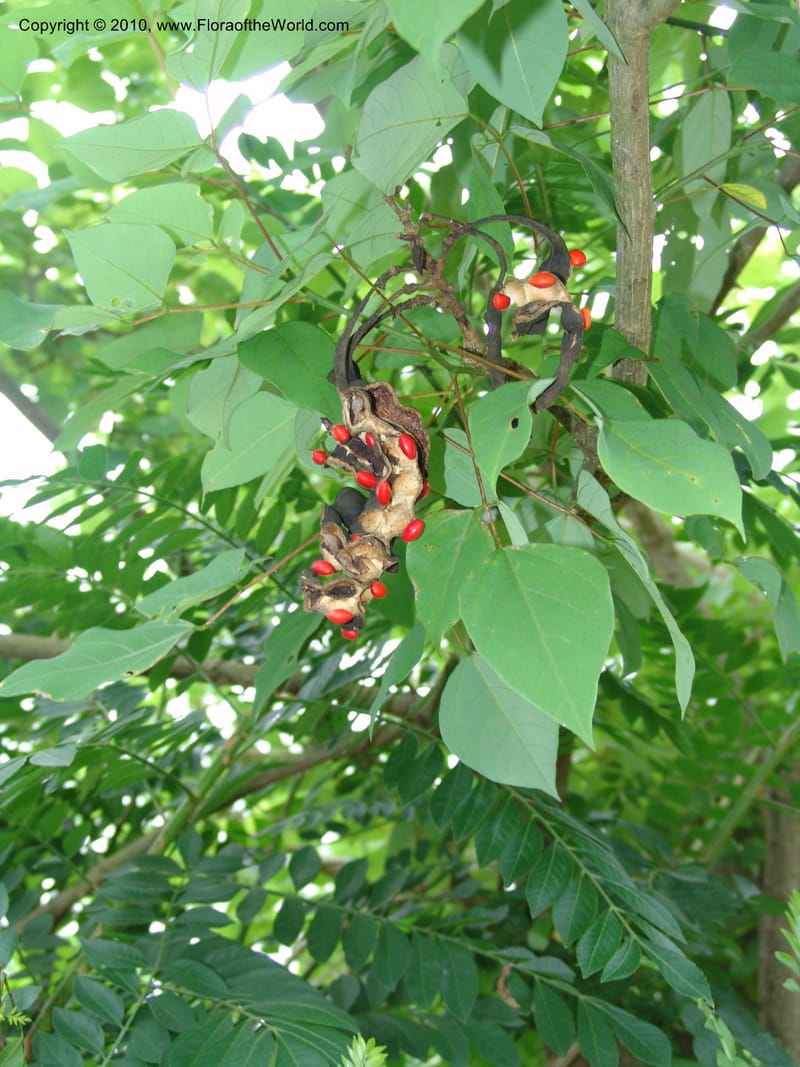
Erythrina smithiana, Croat 96023--Ecuador. Edo. Los Rios. Cerro Samama, SW of Pita. 18 Mar 06. 028.jpg
Endemic to Ecuador (source: POWO). Flora of the World documents 1 occurrence across 1 country.
Distribution from Plants of the World Online (POWO). View the accepted name on POWO
Location
Ecuador, Los Rios (Canton Caluma)
-1.645556, -79.332778
Location Remarks
Cerro Samama, SE of Potosí, SW of Caluma, South of Río Pita, vicinity of village of Pita, between Pita and Escuela 18 de Deciembre. 164-400 m elev.
Collectors
Tom B. Croat, Christopher Davidson, Sharon R. Christoph
Notes
Tree 6 m tall; flowers orange; fruits brown with red seeds. The coordinates have been rounded to nearest minute and locality notes have been removed because the specimen is considered to be in a protected conservation status.
What is EDGE?
Evolutionary distinctiveness
Lower
ED 1.3
Part of a well-represented branch of the plant tree of life, with many close relatives.
Threat status
Modelled estimate
EDGE score
0.4
Global rank
#109,506 of 335,497
Top 33%
Extinction probability
38%
