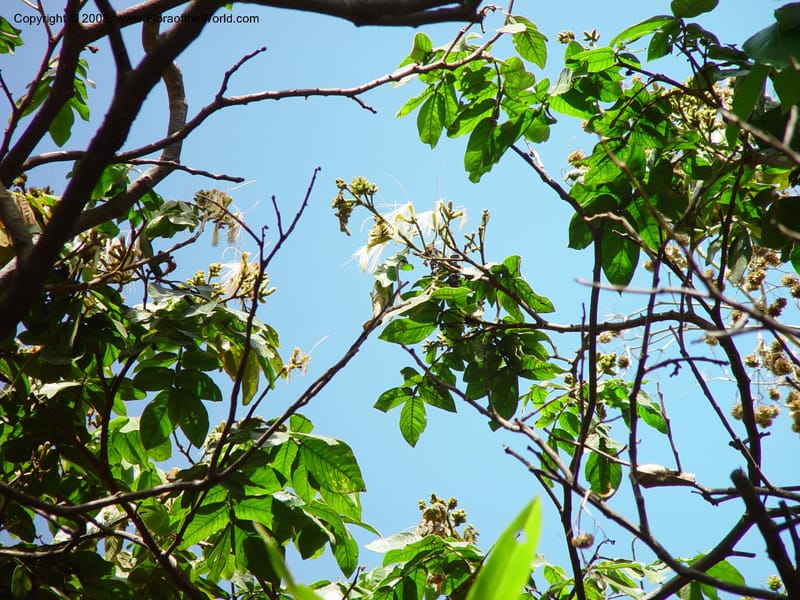
Inga vera--Costa Rica. INBio Parque, San Jose. 22 Feb 02. 002.jpg
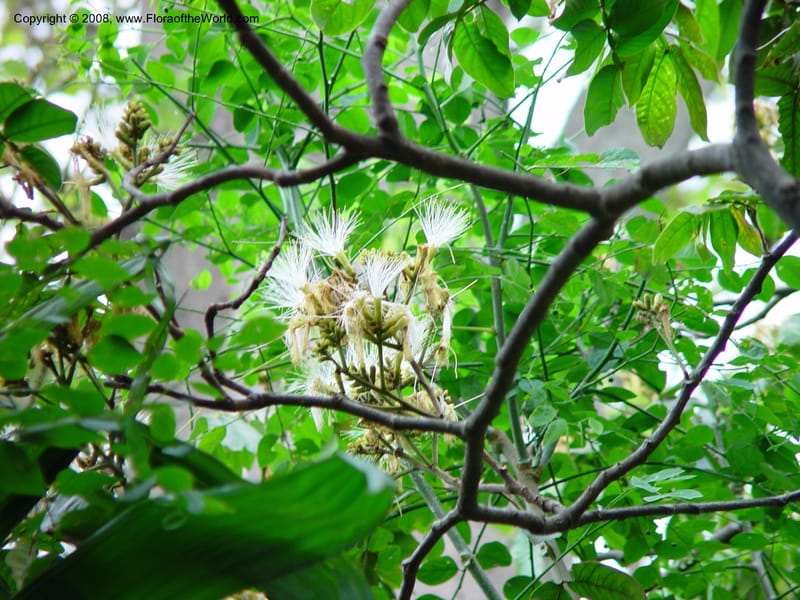
Inga vera--Costa Rica. INBio Parque, San Jose. 22 Feb 02. 003.jpg
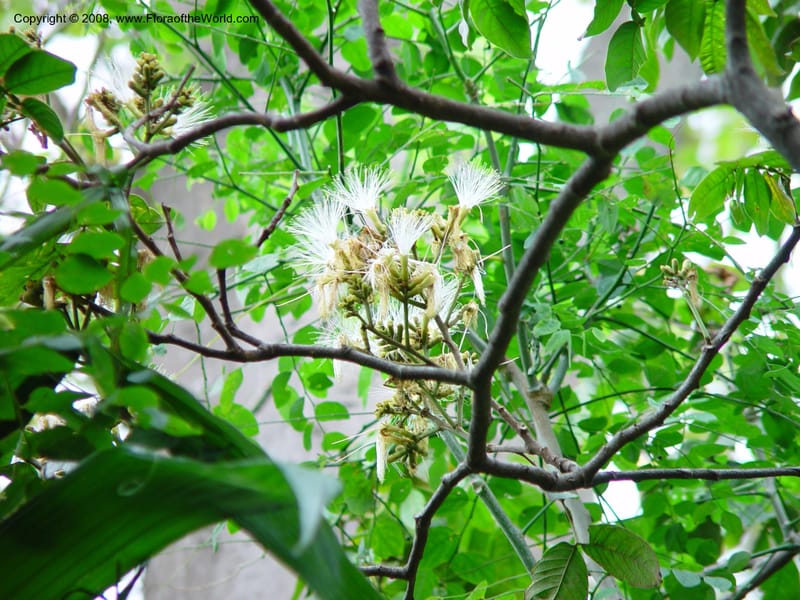
Inga vera--Costa Rica. INBio Parque, San Jose. 22 Feb 02. 001.jpg
Native to Belize, Bolivia, Colombia, Costa Rica, Cuba, Dominican Republic, Ecuador, El Salvador, Guatemala, Haiti, Honduras, Jamaica, Mexico Central, Mexico Gulf, Mexico Northeast, Mexico Northwest, Mexico Southeast, Mexico Southwest, Nicaragua, Panamá, Puerto Rico, Venezuela, Venezuelan Antilles, Windward Is.; introduced into Jawa (source: POWO). Flora of the World documents 1 occurrence across 1 country.
Showing the global range from POWO; no georeferenced specimens for this taxon.
Distribution from Plants of the World Online (POWO). View the accepted name on POWO
Location
Costa Rica, San Jose (InBio Parque)
Location Remarks
Santo Domingo de Heredia, a suburb of San Jose.
Collectors
No collectors specified
Kingdom
Plantae
Phylum
Tracheophyta
Class
Magnoliopsida
Order
Fabales
Family
Fabaceae
Genus
Inga
Specific Epithet
vera
Authorship
Willd.
What is EDGE?
Evolutionary distinctiveness
Lower
ED 1.2
Part of a well-represented branch of the plant tree of life, with many close relatives.
Threat status
IUCN Red List
EDGE score
0.0
Global rank
#299,290 of 335,497
Top 90%
Extinction probability
6%
