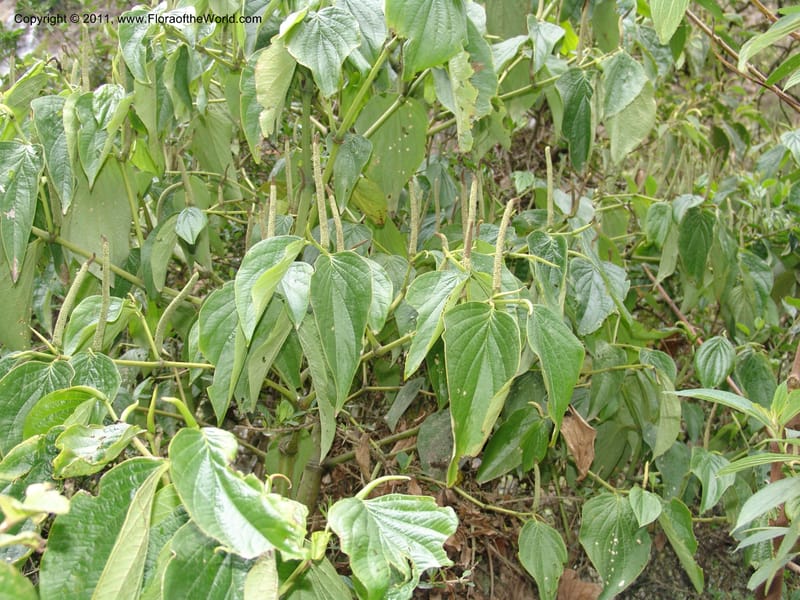
Piper psilophyllum, Murakami2857--Bolivia. Apolob. 6.5 km E of Charazani. 16 Sep 06. 012.jpg
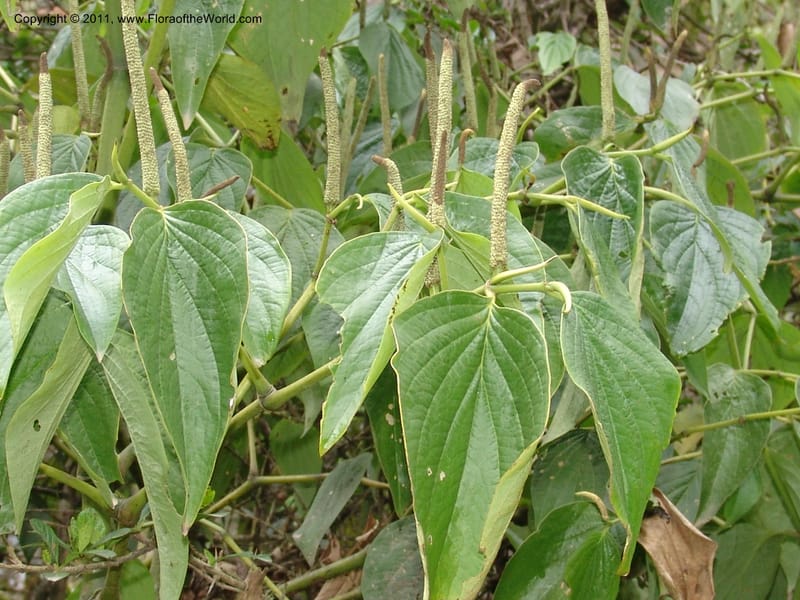
Piper psilophyllum, Murakami2857--Bolivia. Apolob. 6.5 km E of Charazani. 16 Sep 06. 012 (1).jpg
Native to Bolivia, Peru (source: POWO). Flora of the World documents 1 occurrence across 1 country.
Location
Bolivia, La Paz, Bautista Saavedra (Charazani)
-15.181944, -68.950278
Location Remarks
Parque Nacional Madidi. Charazani-Camata, Bosque montano superior pluviestacional con Clethra cuneata, Hediosmum racemosum, Weinmania sp. Plantas secadas en campo.
Collectors
Alejandro Araujo-Murakami, Christopher Davidson, Sharon R. Christoph, Paola Gismondi, M. Cornejo, E. Ticona
Kingdom
Plantae
Phylum
Tracheophyta
Class
Magnoliopsida
Order
Piperales
Family
Piperaceae
Genus
Piper
Specific Epithet
psilophyllum
Authorship
C.DC.
What is EDGE?
Evolutionary distinctiveness
Lower
ED 3.7
Part of a well-represented branch of the plant tree of life, with many close relatives.
Threat status
Modelled estimate
EDGE score
0.4
Global rank
#114,053 of 335,497
Top 34%
Extinction probability
11%
