Flora of the World logo
MapPublicationsInstitutionsImpactAboutContactAcknowledgements

Copyright © 2008-2026 Flora of The World. All Rights Reserved.

Visit floraoftheworld.orgLogin
Taxon

Potentilla pyrenaica Ramond ex DC.

Protologue Fl. Franc. [de Candolle & Lamarck], ed. 3. 4: 459. 1805BHL pageIPNI
AcceptedGBIF
Predicted not threatened
Potentilla pyrenaica--France. Paris. Jardin des Plantes. 30 May 03. 071.jpg
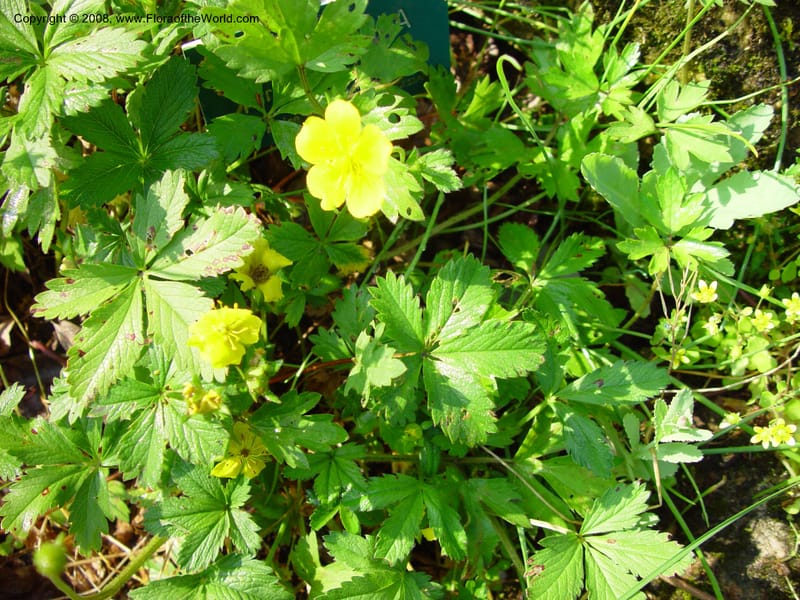
Potentilla pyrenaica--France. Paris. Jardin des Plantes. 30 May 03. 071.jpg

By Christopher Davidson

CC-BY-NC-SA-4.0

Potentilla pyrenaica--France. Paris. Jardin des Plantes. 30 May 03. 070.jpg
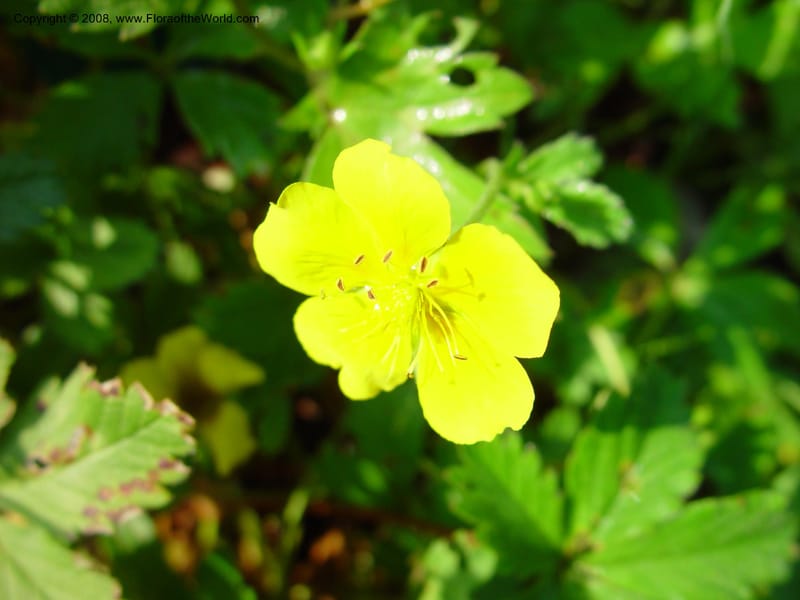
Potentilla pyrenaica--France. Paris. Jardin des Plantes. 30 May 03. 070.jpg

By Christopher Davidson

CC-BY-NC-SA-4.0

Potentilla pyrenaica--France. Paris. Jardin des Plantes. 30 May 03. 069.jpg
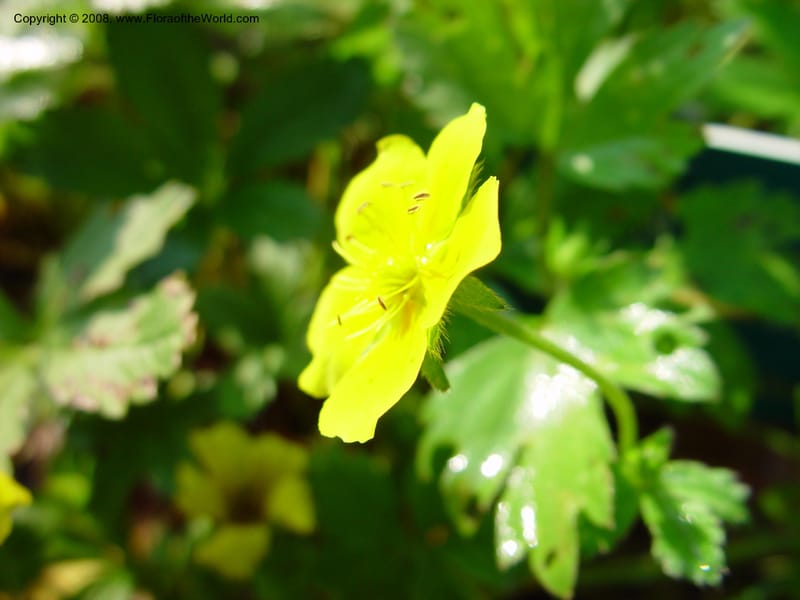
Potentilla pyrenaica--France. Paris. Jardin des Plantes. 30 May 03. 069.jpg

By Christopher Davidson

CC-BY-NC-SA-4.0

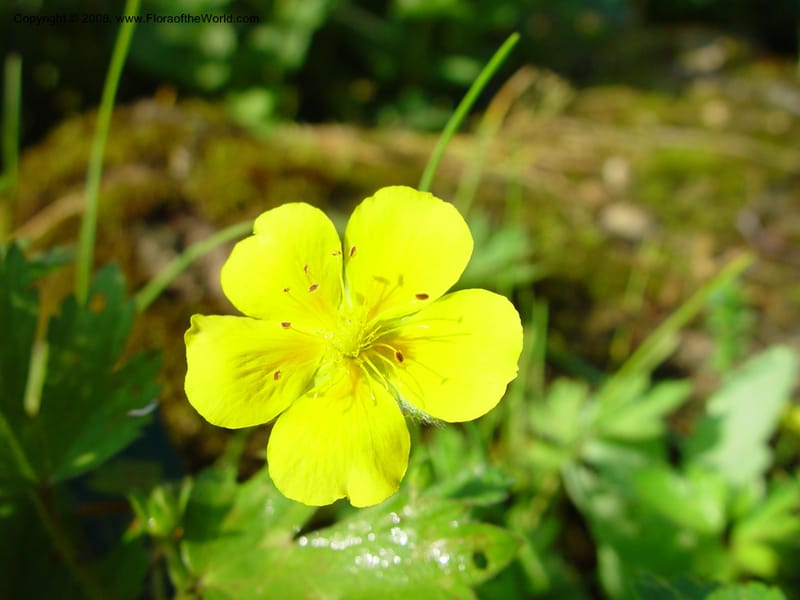
Potentilla pyrenaica--France. Paris. Jardin des Plantes. 30 May 03. 068.jpg

Potentilla pyrenaica--France. Paris. Jardin des Plantes. 30 May 03. 068.jpg

By Christopher Davidson

CC-BY-NC-SA-4.0

Kingdom

Plantae

Phylum

Tracheophyta

Class

Magnoliopsida

Order

Rosales

Family

Rosaceae

Genus

Potentilla

Species

pyrenaica

Taxonomic opinions

GBIFWFOPOWO

Distribution

Native to France, Spain (source: POWO). Flora of the World documents 1 occurrence across 1 country.

Distribution from Plants of the World Online (POWO). View the accepted name on POWO

Occurrences

Davidson C., Christoph S.R. s.n.

May 30, 2003

Location

France, Île-de-France (Paris, 5th arrondissement)

48.84458, 2.36086

Location Remarks

Place Valhubert, along Quai St-Bernard, 5th arrondissement

Collectors

Christopher Davidson, Sharon R. Christoph

Conservation (EDGE)

What is EDGE?

Evolutionary distinctiveness

Moderate

ED 22.3

Moderately distinct — it has closer living relatives than the most isolated species.

Threat status

Predicted not threatened

Modelled estimate

EDGE score

2.7

Global rank

#8,884 of 335,497

Top 3%

Extinction probability

12%

Source: Flowering plants EDGE assessment →