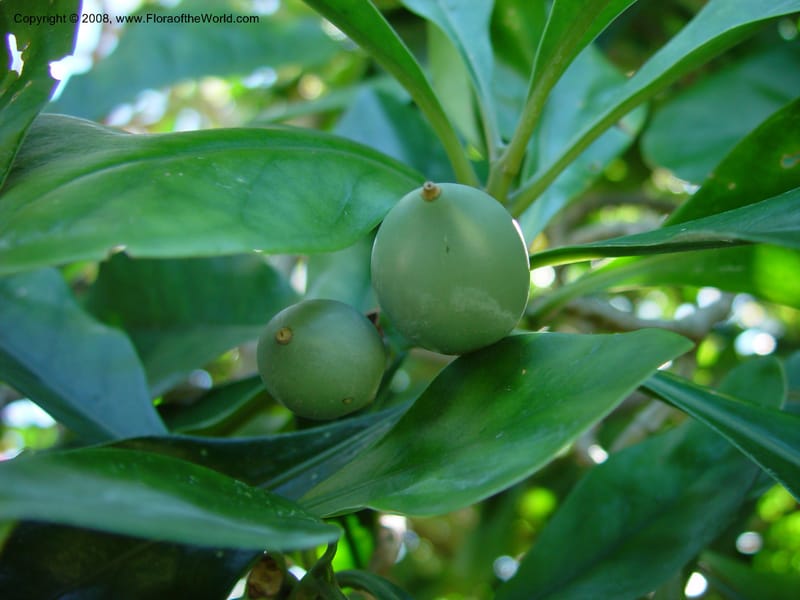
Fagraea ceilanica. 80847 B--FL. Fairchild Tropical Garden. 15 Jan 03. 033.jpg
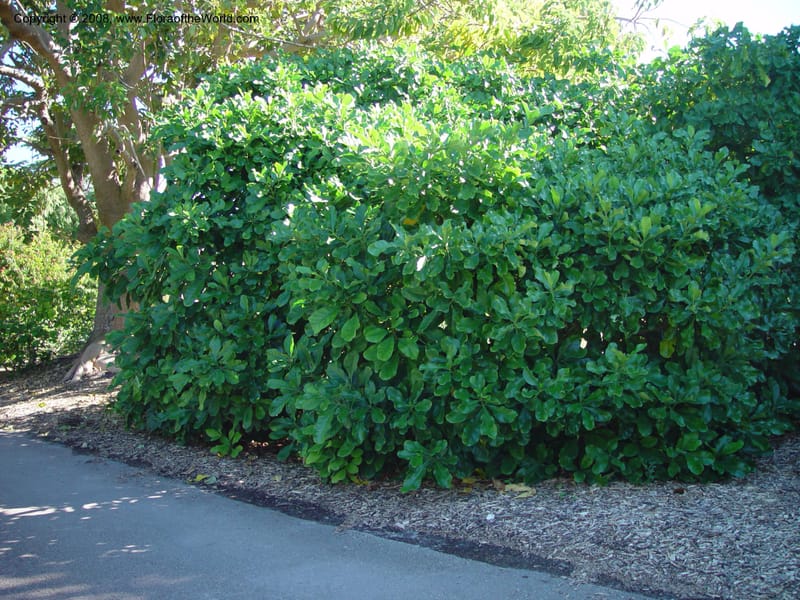
Fagraea ceilanica. 80847 B--FL. Fairchild Tropical Garden. 15 Jan 03. 035.jpg
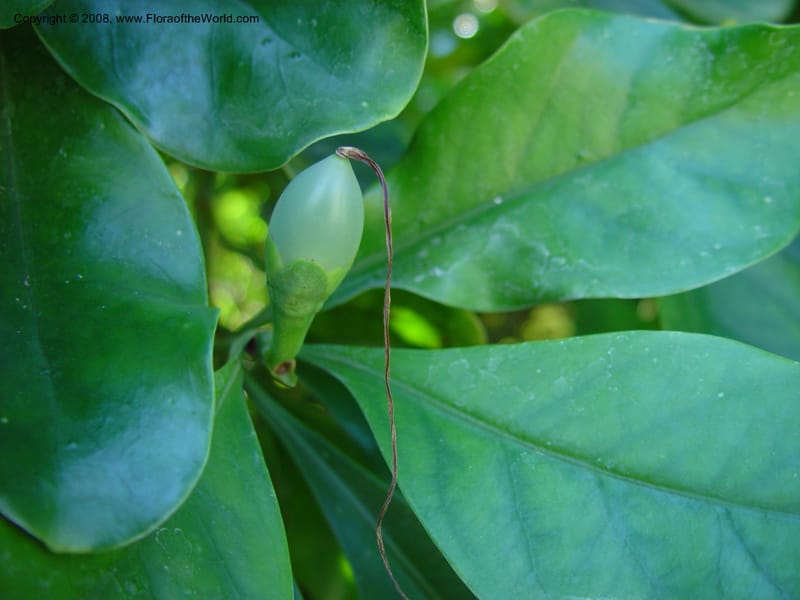
Fagraea ceilanica. 80847 B--Fl. Fairchild Tropical Garden. 15 Jan 03. 034.jpg
Native to Assam, Bangladesh, Borneo, Cambodia, China South-Central, China Southeast, East Himalaya, Hainan, India, Jawa, Laos, Lesser Sunda Is., Malaya, Maluku, Myanmar, New Guinea, Solomon Is., Sri Lanka, Sulawesi, Sumatera, Taiwan, Thailand, Vanuatu, Vietnam (source: POWO). Flora of the World documents 1 occurrence across 1 country.
Distribution from Plants of the World Online (POWO). View the accepted name on POWO
Location
United States, Florida, Miami-Dade County (Coral Gables)
25.676781, -80.272034
Location Remarks
10901 Old Cutler Rd., Coral Gables
Collectors
No collectors specified
What is EDGE?
Evolutionary distinctiveness
Lower
ED 1.2
Part of a well-represented branch of the plant tree of life, with many close relatives.
Threat status
Modelled estimate
EDGE score
0.1
Global rank
#251,818 of 335,497
Top 76%
Extinction probability
10%
