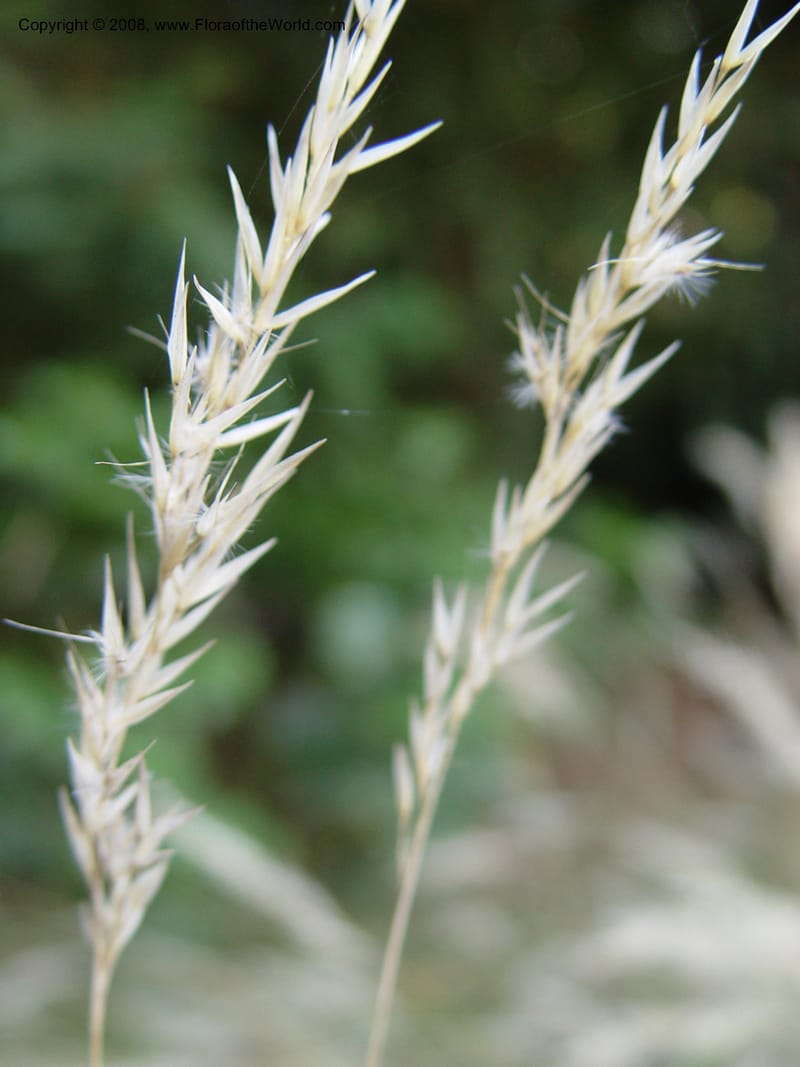
Danthonia intermedia, 97.0366--CA. UC Berkeley Bot. Gard. 19 Sep 03. 001.jpg
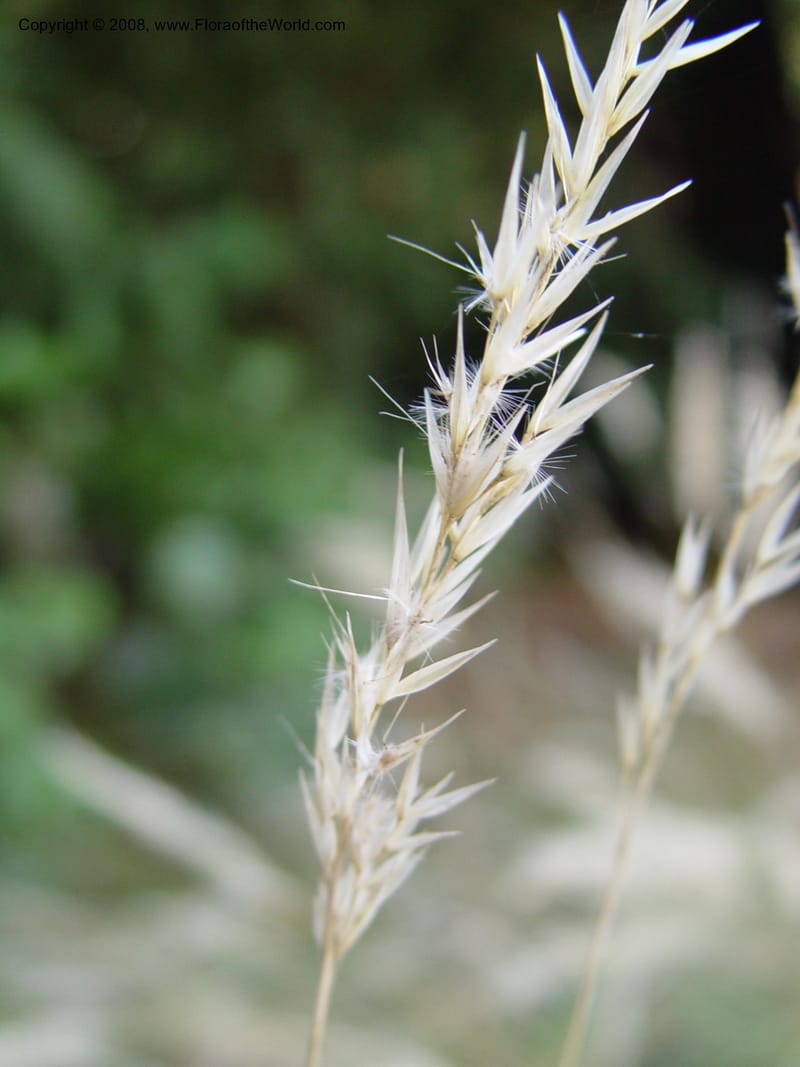
Danthonia intermedia, 97.0366--CA. UC Berkeley Bot. Gard. 19 Sep 03. 002.jpg
Native to Alberta, Arizona, Arkansas, British Columbia, California, Colorado, Idaho, Kamchatka, Khabarovsk, Labrador, Magadan, Manitoba, Michigan, Montana, Nevada, New Mexico, Newfoundland, Nova Scotia, Ontario, Oregon, Québec, Saskatchewan, South Dakota, Utah, Washington, Wyoming, Yukon (source: POWO). Flora of the World documents 1 occurrence across 1 country.
Location
United States, California, Alameda County (Berkeley, UC Berkeley Botanical Garden)
37.87544, -122.238724
Location Remarks
Strawberry Canyon, University of California campus, city of Berkeley
Collectors
No collectors specified
Kingdom
Plantae
Phylum
Tracheophyta
Class
Liliopsida
Order
Poales
Family
Poaceae
Genus
Danthonia
Specific Epithet
intermedia
Authorship
Vasey
What is EDGE?
Evolutionary distinctiveness
Lower
ED 0.7
Part of a well-represented branch of the plant tree of life, with many close relatives.
Threat status
Modelled estimate
EDGE score
0.1
Global rank
#293,123 of 335,497
Top 88%
Extinction probability
9%
