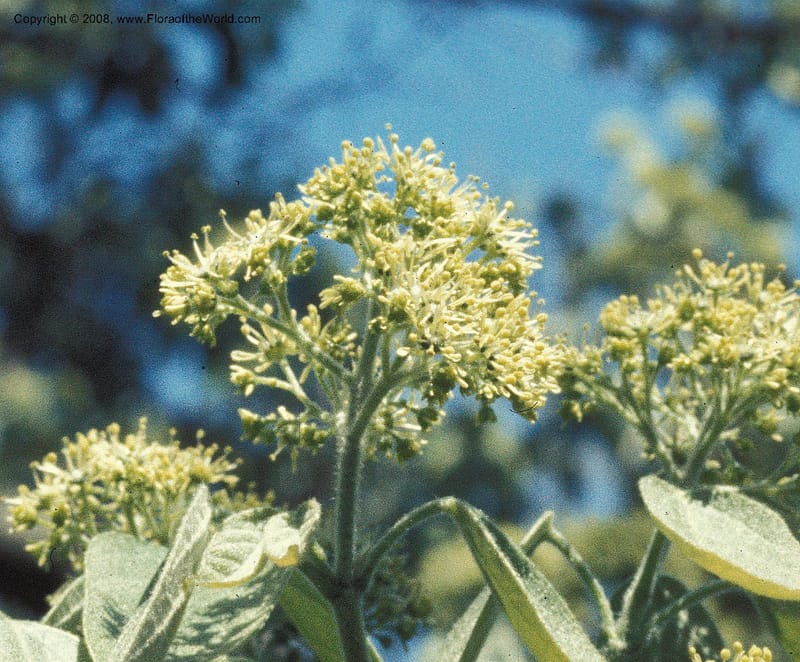
Acer oblongum--CA. L.A. State & County Arboretum. Mar 76. 005.jpg
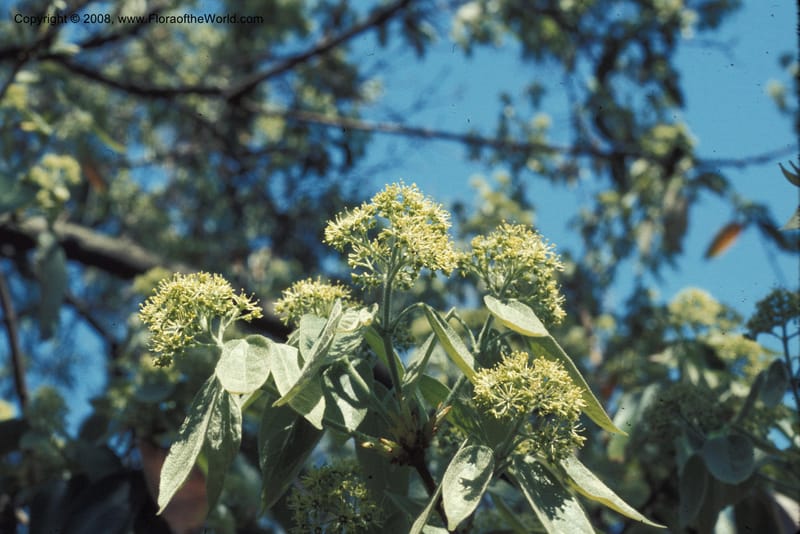
Acer oblongum--CA. L.A. State & County Arboretum. Mar 76. 003.jpg
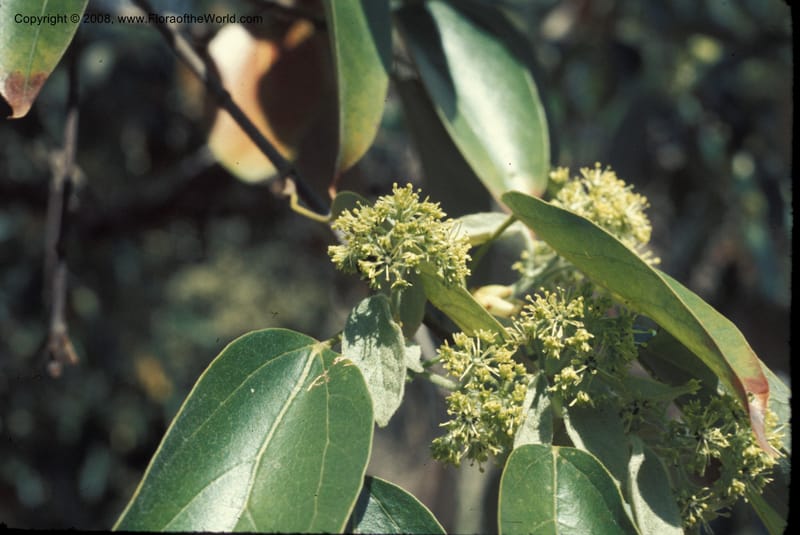
Acer oblongum--CA. L.A. State & County Arboretum. Mar 76. 004.jpg
Native to Assam, China North-Central, China South-Central, China Southeast, East Himalaya, India, Laos, Myanmar, Nansei-shoto, Nepal, Pakistan, Thailand, Tibet, Vietnam, West Himalaya (source: POWO). Flora of the World documents 1 occurrence across 1 country.
Showing the global range from POWO; no georeferenced specimens for this taxon.
Distribution from Plants of the World Online (POWO). View the accepted name on POWO
Location
United States, California (Los Angeles County Arboretum and Botanical Garden)
Location Remarks
301 N. Baldwin Ave, Arcadia
Collectors
No collectors specified
Kingdom
Plantae
Phylum
Tracheophyta
Class
Magnoliopsida
Order
Sapindales
Family
Sapindaceae
Genus
Acer
Specific Epithet
oblongum
Authorship
Wall. ex DC.
What is EDGE?
Evolutionary distinctiveness
Lower
ED 1.7
Part of a well-represented branch of the plant tree of life, with many close relatives.
Threat status
IUCN Red List
EDGE score
0.1
Global rank
#285,993 of 335,497
Top 86%
Extinction probability
6%
