Flora of the World logo
MapPublicationsInstitutionsImpactAboutContactAcknowledgements

Copyright © 2008-2026 Flora of The World. All Rights Reserved.

Visit floraoftheworld.orgLogin
Taxon

Ceratozamia kuesteriana Regel

Protologue Bull. Soc. Imp. Naturalistes Moscou 30(1): 187. 1857BHL pageIPNI
AcceptedGBIF
EDGE • Critically Endangered
Ceratozamia kuesteriana--FL. Fairchild Bot. Gard. 6 Apr 03. 067.jpg
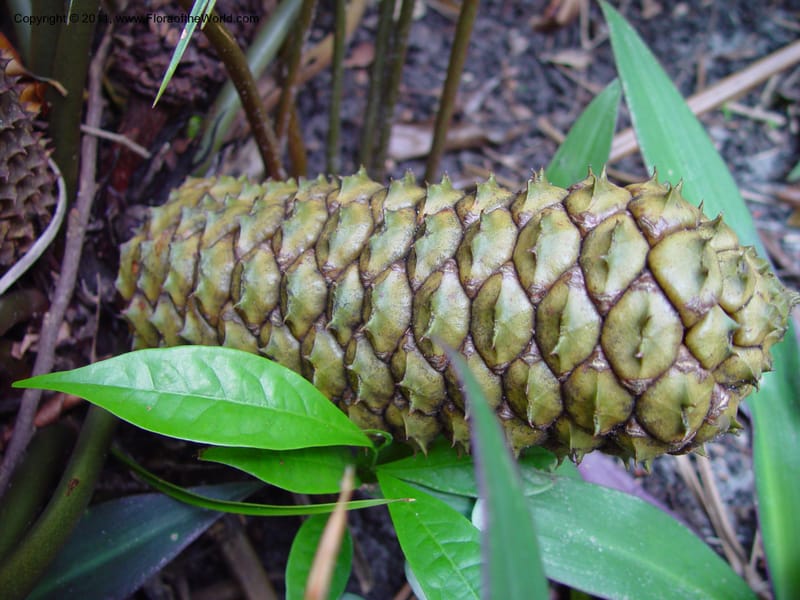
Ceratozamia kuesteriana--FL. Fairchild Bot. Gard. 6 Apr 03. 067.jpg

By Christopher Davidson

CC-BY-NC-SA-4.0

Ceratozamia kuesteriana--FL. Fairchild Bot. Gard. 6 Apr 03. 066.jpg
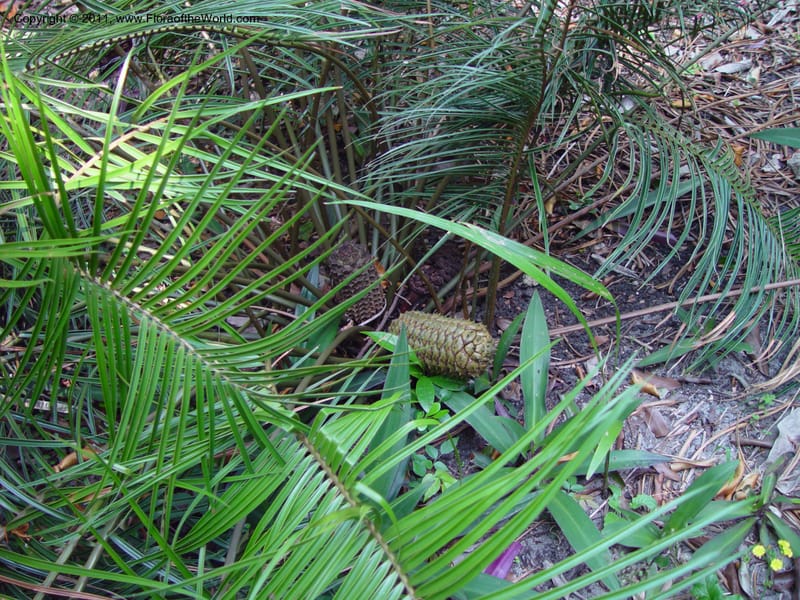
Ceratozamia kuesteriana--FL. Fairchild Bot. Gard. 6 Apr 03. 066.jpg

By Christopher Davidson

CC-BY-NC-SA-4.0

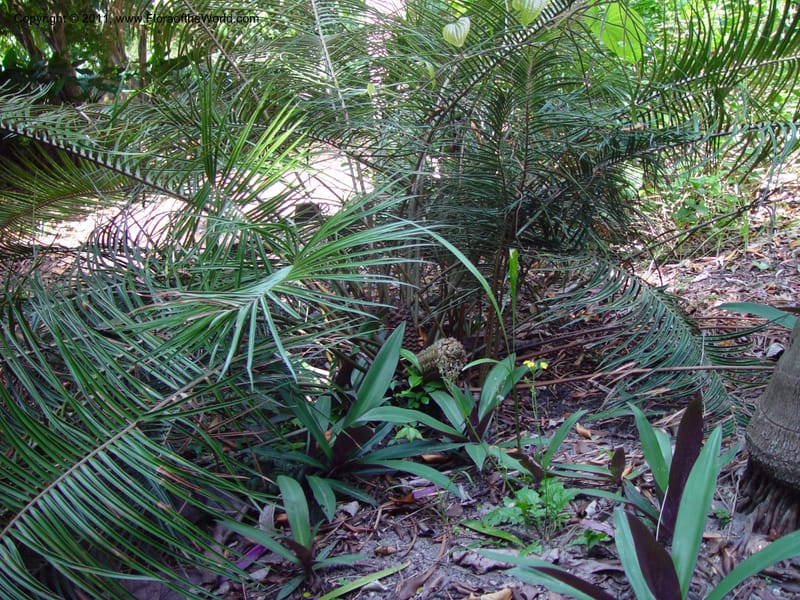
Ceratozamia kuesteriana--FL. Fairchild Bot. Gard. 6 Apr 03. 063.jpg
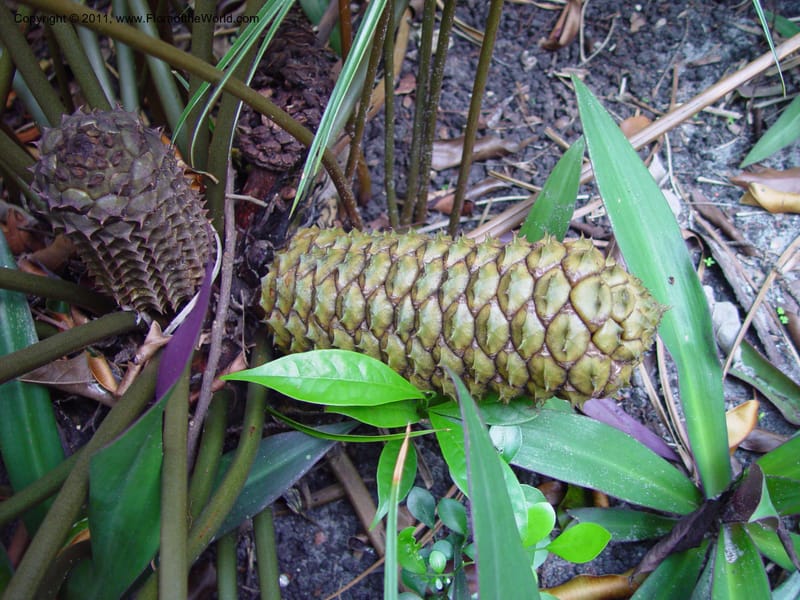
Ceratozamia kuesteriana--FL. Fairchild Bot. Gard. 6 Apr 03. 063.jpg

By Christopher Davidson

CC-BY-NC-SA-4.0

Ceratozamia kuesteriana--FL. Fairchild Bot. Gard. 6 Apr 03. 065.jpg

Ceratozamia kuesteriana--FL. Fairchild Bot. Gard. 6 Apr 03. 065.jpg

By Christopher Davidson

CC-BY-NC-SA-4.0

Kingdom

Plantae

Phylum

Tracheophyta

Class

Cycadopsida

Order

Cycadales

Family

Zamiaceae

Genus

Ceratozamia

Species

kuesteriana

Taxonomic opinions

GBIFWFOPOWO

Distribution

Endemic to Mexico Northeast (source: POWO). Flora of the World documents 1 occurrence across 1 country.

Distribution from Plants of the World Online (POWO). View the accepted name on POWO

Occurrences

No collection number

April 6, 2003

Location

United States, Florida, Miami-Dade County (Coral Gables, Fairchild Tropical Botanic Garden)

25.676781, -80.272034

Location Remarks

10901 Old Cutler Rd., Coral Gables

Collectors

No collectors specified

Conservation (EDGE)

What is EDGE?

Evolutionary distinctiveness

Lower

ED 2.8

Part of a well-represented branch of the plant tree of life, with many close relatives.

EDGE List

Threat status

Critically Endangered

IUCN Red List

EDGE score

2.8

Global rank

#134 of 1,090

Top 1,000 globally

This lineage appears to have diverged from its closest living relatives roughly 3 million years ago — a long, lonely branch of the plant tree of life.

Source: Gymnosperms EDGE assessment →