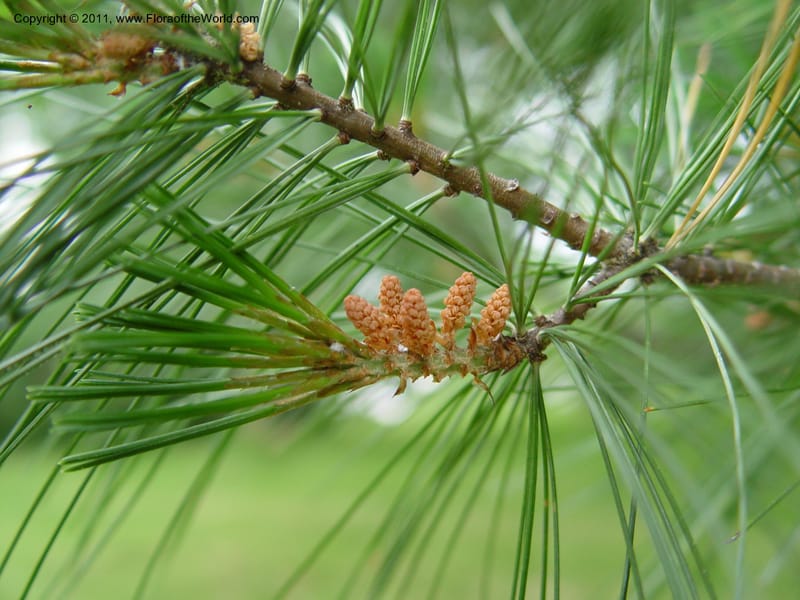
Pinus strobus--MA. Arnold Arb. 30 Jun 03. 188.jpg
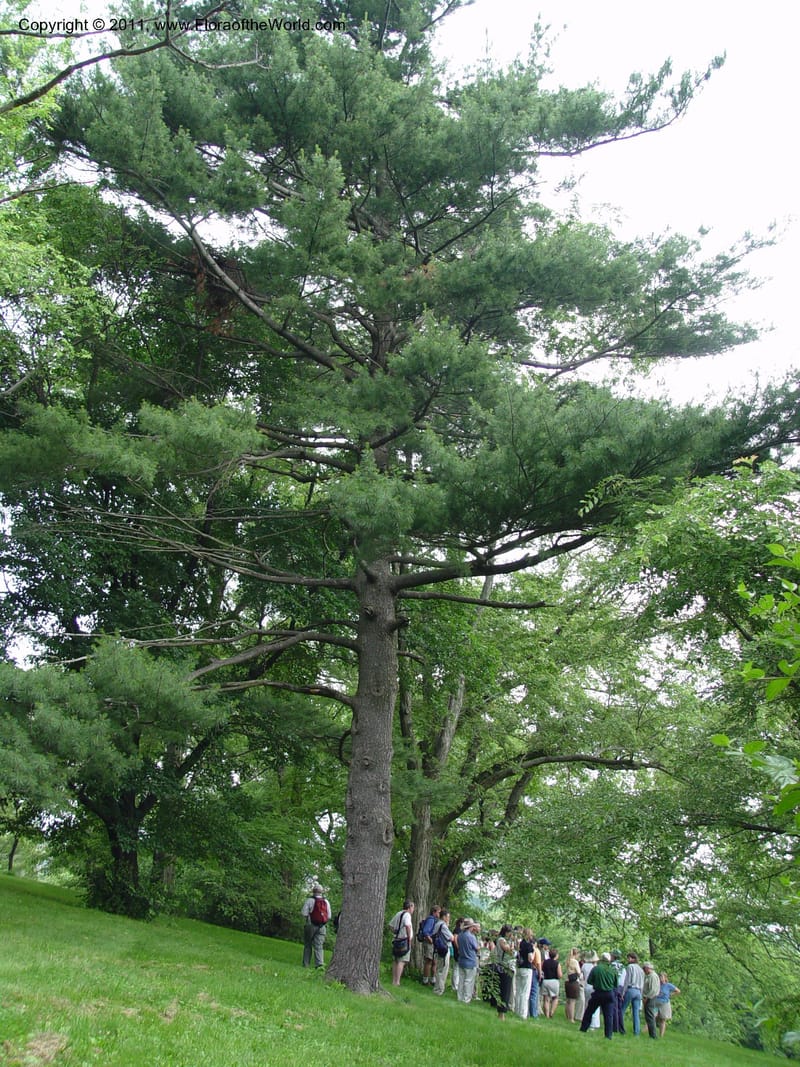
Pinus strobus--MA. Arnold Arb. 30 Jun 03. 190.jpg
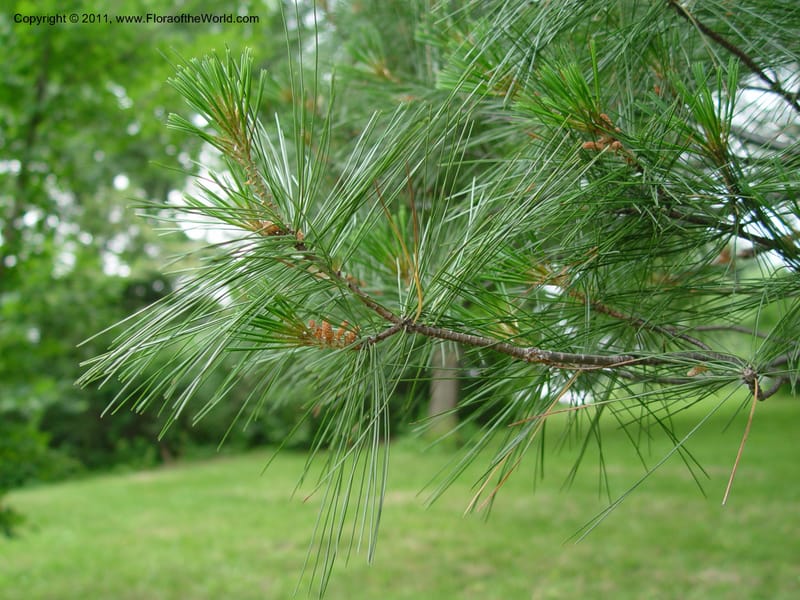
Pinus strobus--MA. Arnold Arb. 30 Jun 03. 189.jpg
Native to 33 botanical countries across Northern America; introduced into Arkansas, Austria, Baltic States, Belgium, Bulgaria, Central European Russia, Czechia-Slovakia, Denmark, France, Germany, Great Britain, Hungary, Ireland, Italy, Korea, Norway, Poland, Romania, Spain, Sweden, Switzerland, Türkiye-in-Europe (source: POWO). Flora of the World documents 1 occurrence across 1 country.
Distribution from Plants of the World Online (POWO). View the accepted name on POWO
Location
United States, Massachusetts, Suffolk County (Jamaica Plain)
42.307464, -71.120796
Location Remarks
125 Arbor Way, Jamaica Plains, Massachusetts
Collectors
No collectors specified
What is EDGE?
Evolutionary distinctiveness
High
ED 6.3
Sits on a long, isolated branch of the plant tree of life, with relatively few close relatives.
Threat status
IUCN Red List
EDGE score
0.4
Global rank
#610 of 1,090
Top 1,000 globally
This lineage appears to have diverged from its closest living relatives roughly 6 million years ago — a long, lonely branch of the plant tree of life.
Source: Gymnosperms EDGE assessment →