Flora of the World logo
MapPublicationsInstitutionsImpactAboutContactAcknowledgements

Copyright © 2008-2026 Flora of The World. All Rights Reserved.

Visit floraoftheworld.orgLogin
Home

›

Poales

›

Poaceae

›

Nardus

›

stricta

Taxon

Nardus stricta L.

Protologue Sp. Pl. 1: 53. 1753 [1 May 1753]BHL pageIPNI
AcceptedGBIF
Predicted not threatened
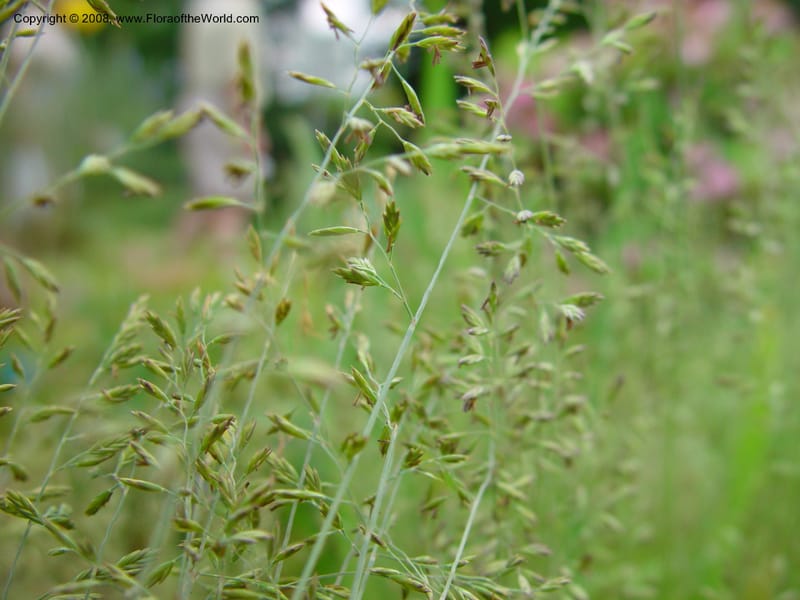
Nardus stricta--France. Paris. Jardin des Plantes. 30 May 03. 084.jpg
Nardus stricta--France. Paris. Jardin des Plantes. 30 May 03. 084.jpg

By Christopher Davidson

CC-BY-NC-SA-4.0

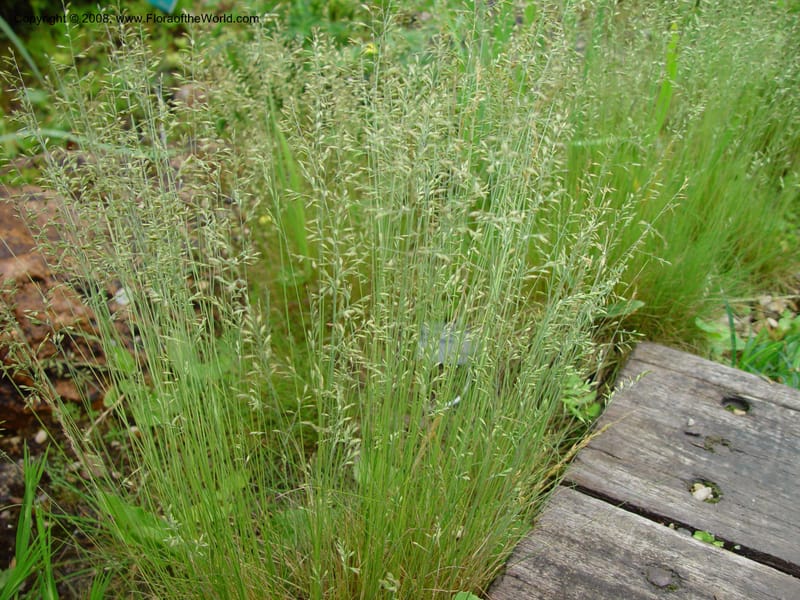
Nardus stricta--France. Paris. Jardin des Plantes. 30 May 03. 083.jpg
Nardus stricta--France. Paris. Jardin des Plantes. 30 May 03. 083.jpg

By Christopher Davidson

CC-BY-NC-SA-4.0

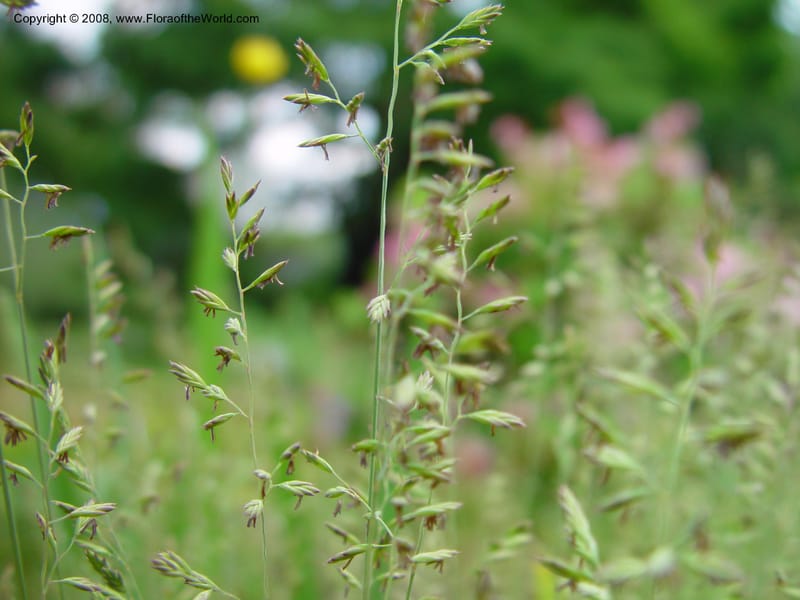
Nardus stricta--France. Paris. Jardin des Plantes. 30 May 03. 085.jpg

Nardus stricta--France. Paris. Jardin des Plantes. 30 May 03. 085.jpg

By Christopher Davidson

CC-BY-NC-SA-4.0

Native to 54 botanical countries across Europe, Africa, Temperate Asia, and Northern America; introduced into Chatham Is., Costa Rica, Idaho, New Zealand North, New Zealand South, Oregon, South Georgia, Tasmania (source: POWO). Flora of the World documents 1 occurrence across 1 country.

Distribution

Distribution from Plants of the World Online (POWO). View the accepted name on POWO

Occurrences

Davidson C., Christoph S.R. s.n.

May 30, 2003

Location

France, Île-de-France (Paris, 5th arrondissement)

48.84458, 2.36086

Location Remarks

Place Valhubert, along Quai St-Bernard, 5th arrondissement

Collectors

Christopher Davidson, Sharon R. Christoph

Classification

Kingdom

Plantae

Phylum

Tracheophyta

Class

Liliopsida

Order

Poales

Family

Poaceae

Genus

Nardus

Specific Epithet

stricta

Authorship

L.

Taxonomic Opinions

GBIFWFOPOWO

Conservation (EDGE)

What is EDGE?

Evolutionary distinctiveness

Moderate

ED 16.9

Moderately distinct — it has closer living relatives than the most isolated species.

Threat status

Predicted not threatened

Modelled estimate

EDGE score

1.3

Global rank

#27,797 of 335,497

Top 9%

Extinction probability

10%

Source: Flowering plants EDGE assessment →