Flora of the World logo
MapPublicationsInstitutionsImpactAboutContactAcknowledgements

Copyright © 2008-2026 Flora of The World. All Rights Reserved.

Visit floraoftheworld.orgLogin
Home

›

Lamiales

›

Acanthaceae

›

Aphelandra

›

lingua-bovis

Taxon

Aphelandra lingua-bovis Leonard

Protologue Contr. U.S. Natl. Herb. 31: 268, fig. 97. 1953BHL pageIPNI
AcceptedGBIF
Predicted not threatened
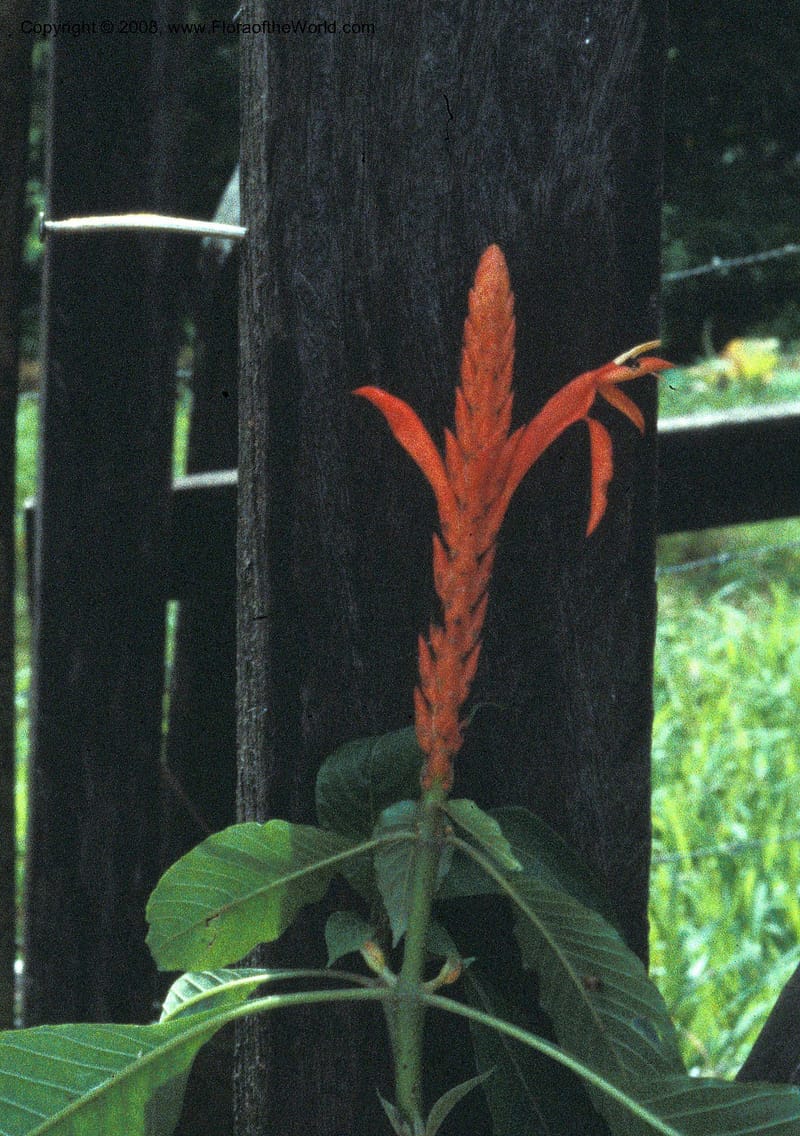
Aphelandra lingua-bovis, Davidson8892--Costa Rica. Prov. Limon. Hda. La Suerte. 28 Aug 79. 003.jpg
Aphelandra lingua-bovis, Davidson8892--Costa Rica. Prov. Limon. Hda. La Suerte. 28 Aug 79. 003.jpg

By Christopher Davidson

CC-BY-NC-SA-4.0

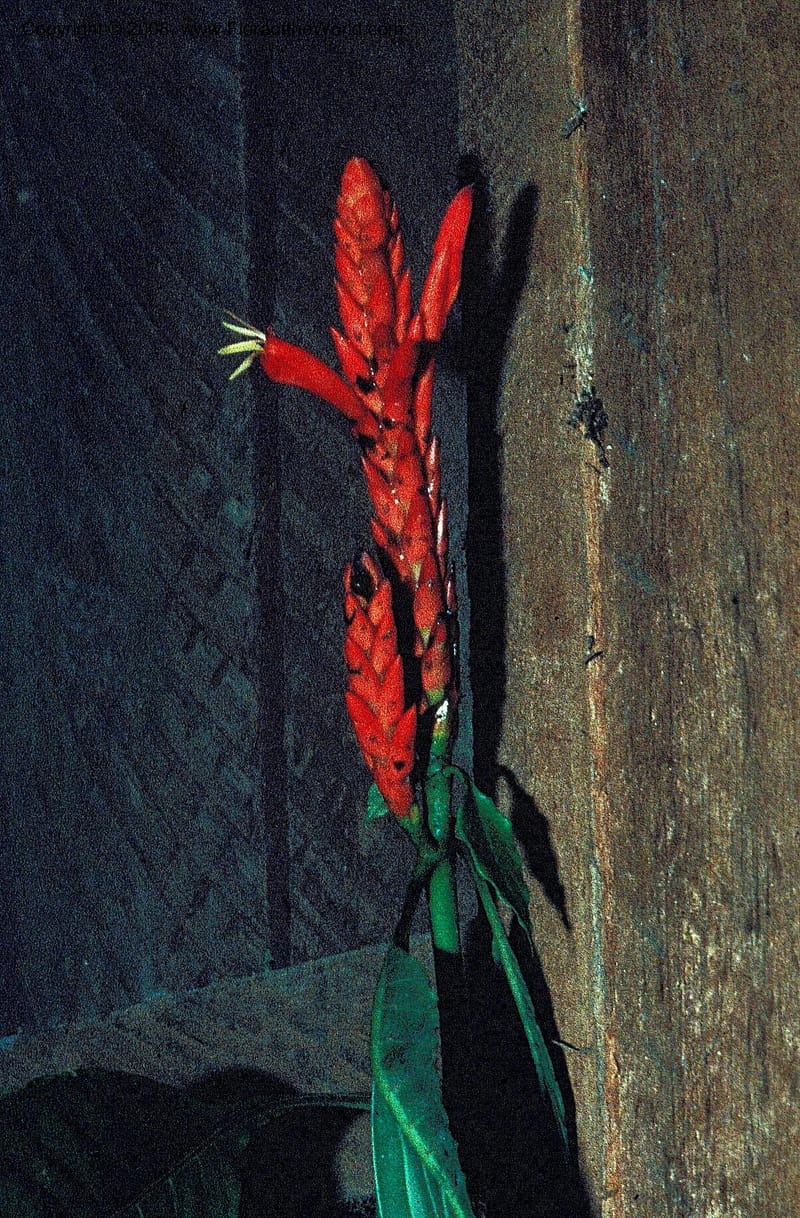
Aphelandra lingua-bovis, Davidson8892--Costa Rica. Prov. Limon. Hda. La Suerte. 28 Aug 79. 001.jpg
Aphelandra lingua-bovis, Davidson8892--Costa Rica. Prov. Limon. Hda. La Suerte. 28 Aug 79. 001.jpg

By Christopher Davidson

CC-BY-NC-SA-4.0

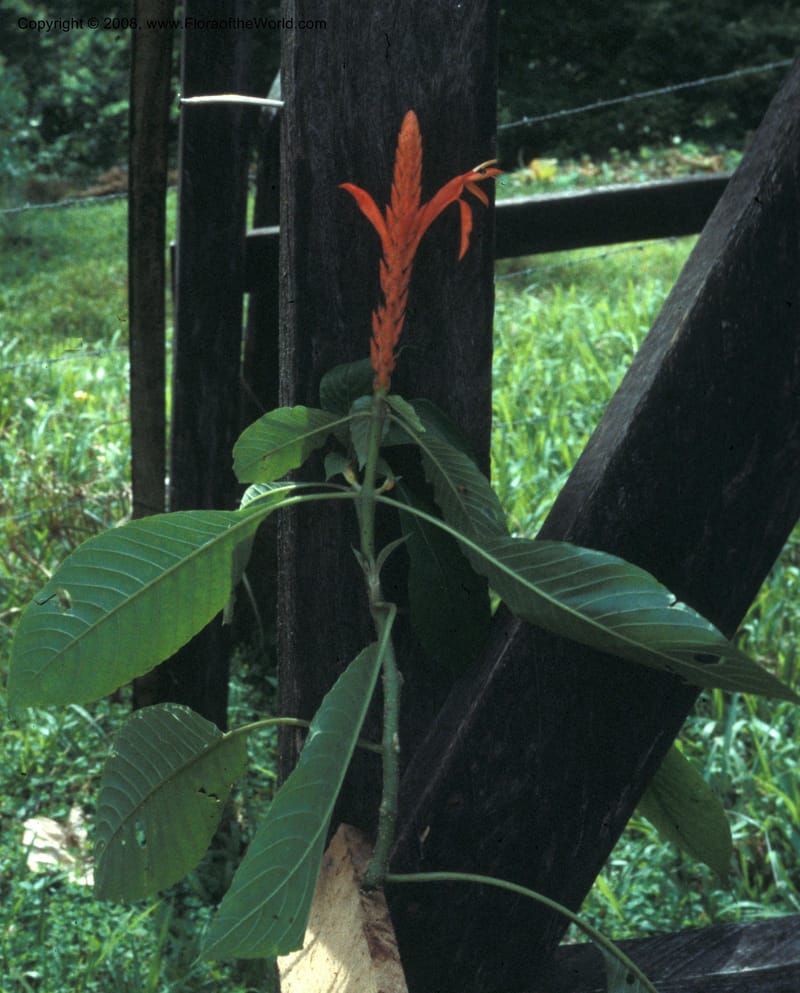
Aphelandra lingua-bovis, Davidson8892--Costa Rica. Prov. Limon. Hda. La Suerte. 28 Aug 79. 002.jpg

Aphelandra lingua-bovis, Davidson8892--Costa Rica. Prov. Limon. Hda. La Suerte. 28 Aug 79. 002.jpg

By Christopher Davidson

CC-BY-NC-SA-4.0

Native to Colombia, Costa Rica, Panamá (source: POWO). Flora of the World documents 1 occurrence across 1 country.

Distribution

Distribution from Plants of the World Online (POWO). View the accepted name on POWO

Occurrences

Davidson C. 8892

August 28, 1979

Location

Costa Rica, Limon (Pococí Canton, Rita)

10.5, -83.78

Location Remarks

Hacienda La Suerte, NE of Guapiles.

Collectors

Christopher Davidson

Classification

Kingdom

Plantae

Phylum

Tracheophyta

Class

Magnoliopsida

Order

Lamiales

Family

Acanthaceae

Genus

Aphelandra

Specific Epithet

lingua-bovis

Authorship

Leonard

Taxonomic Opinions

GBIFWFOPOWO

Conservation (EDGE)

What is EDGE?

Evolutionary distinctiveness

Lower

ED 2.4

Part of a well-represented branch of the plant tree of life, with many close relatives.

Threat status

Predicted not threatened

Modelled estimate

EDGE score

0.2

Global rank

#176,955 of 335,497

Top 53%

Extinction probability

11%

Source: Flowering plants EDGE assessment →