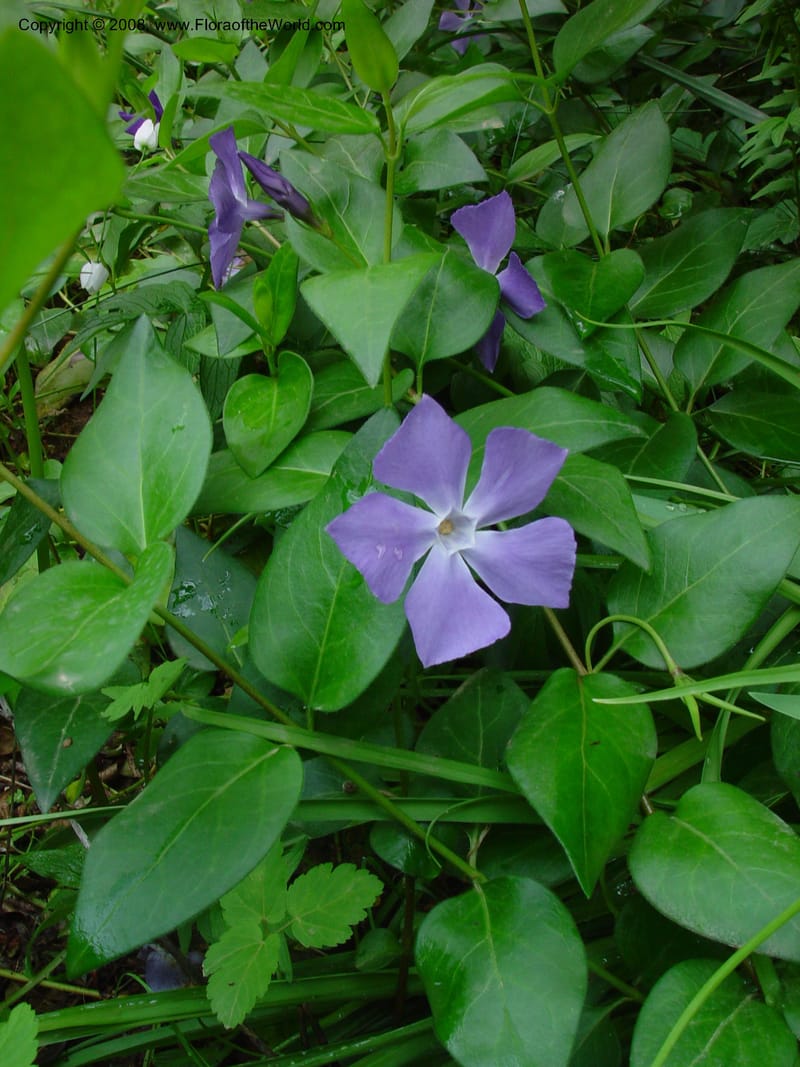
Vinca major--Italy. Abruzzo. Courtyard garden, lower monastery at Subiaco. 11 May 02. 049.jpg
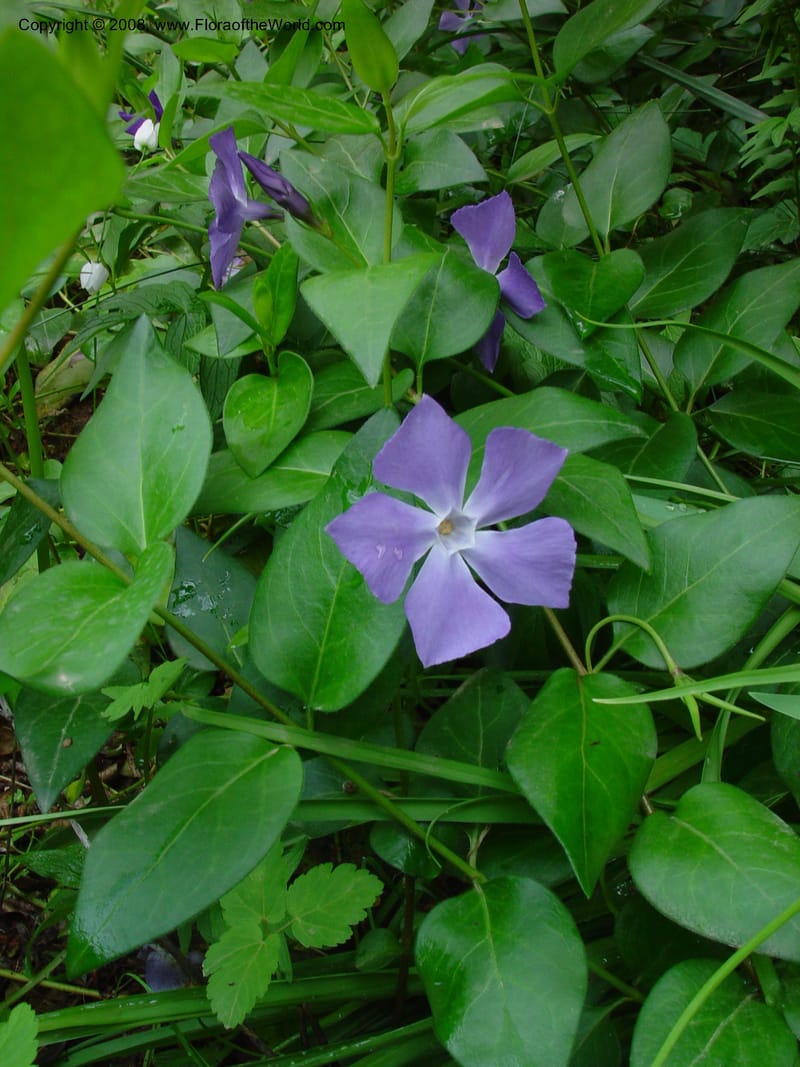
Vinca major--Italy. Abruzzo. Courtyard garden, lower monastery at Subiaco. 11 May 02. 050.jpg
Native to Albania, Bulgaria, East Aegean Is., France, Italy, Kriti, Lebanon-Syria, North Caucasus, NW. Balkan Pen., Sardegna, Sicilia, Transcaucasus, Türkiye; introduced into 80 botanical countries across Europe, Africa, Temperate Asia, Tropical Asia, Australasia, Northern America, and Southern America (source: POWO). Flora of the World documents 1 occurrence across 1 country.
Location
Italy, Lazio, Rome (Subiaco)
41.916944, 13.118056
Location Remarks
St. Scolastica Monastery at Subiaco.
Collectors
No collectors specified
Kingdom
Plantae
Phylum
Tracheophyta
Class
Magnoliopsida
Order
Gentianales
Family
Apocynaceae
Genus
Vinca
Specific Epithet
major
Authorship
L.
What is EDGE?
Evolutionary distinctiveness
Lower
ED 0.5
Part of a well-represented branch of the plant tree of life, with many close relatives.
Threat status
Modelled estimate
EDGE score
0.0
Global rank
#303,357 of 335,497
Top 91%
Extinction probability
10%
