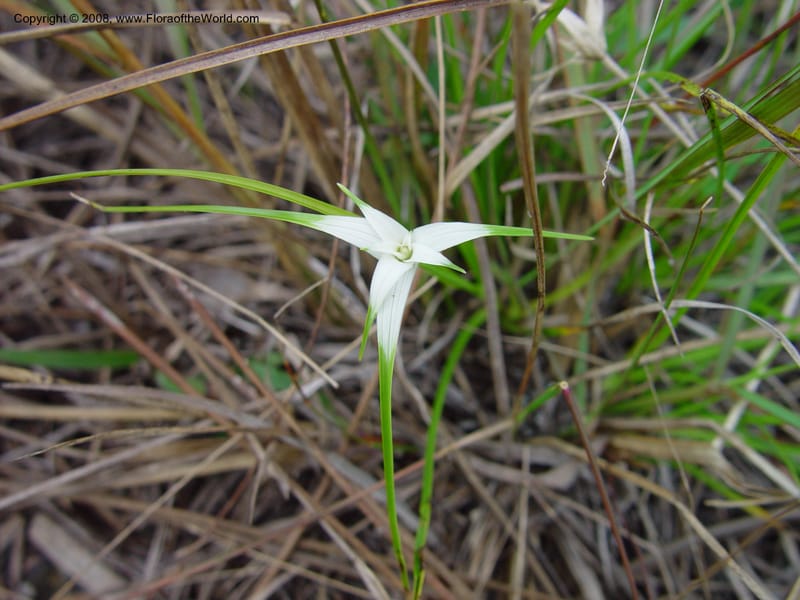
Rhynchospora colorata--FL. Miami-Dade Co. Everglades Nat. Pk. Long Pine Key Trail. 15 Jan 03. 090.jpg
Native to Alabama, Arkansas, Bahamas, Belize, Bermuda, Cayman Is., Costa Rica, Cuba, Florida, French Guiana, Georgia, Guatemala, Haiti, Jamaica, Leeward Is., Louisiana, Mexico Central, Mexico Gulf, Mexico Northeast, Mexico Southeast, Mexico Southwest, Mississippi, North Carolina, Puerto Rico, South Carolina, Texas, Turks-Caicos Is., Venezuela, Virginia, Windward Is.; introduced into Assam, Bangladesh, Cambodia, Caroline Is., Galápagos, Lesser Sunda Is., Myanmar, Nansei-shoto, Tennessee, Trinidad-Tobago (source: POWO). Flora of the World documents 1 occurrence across 1 country.
Location
United States, Florida, Miami-Dade (Homestead)
25.39525, -80.583139
Location Remarks
Everglades National Park, Long Pine Key Trail
Collectors
No collectors specified
Kingdom
Plantae
Phylum
Tracheophyta
Class
Liliopsida
Order
Poales
Family
Cyperaceae
Genus
Rhynchospora
Specific Epithet
colorata
Authorship
(L.) H.Pfeiff.
What is EDGE?
Evolutionary distinctiveness
Lower
ED 0.3
Part of a well-represented branch of the plant tree of life, with many close relatives.
Threat status
IUCN Red List
EDGE score
0.0
Global rank
#326,418 of 335,497
Top 98%
Extinction probability
6%
