Flora of the World logo
MapPublicationsInstitutionsImpactAboutContactAcknowledgements

Copyright © 2008-2026 Flora of The World. All Rights Reserved.

Visit floraoftheworld.orgLogin
Taxon

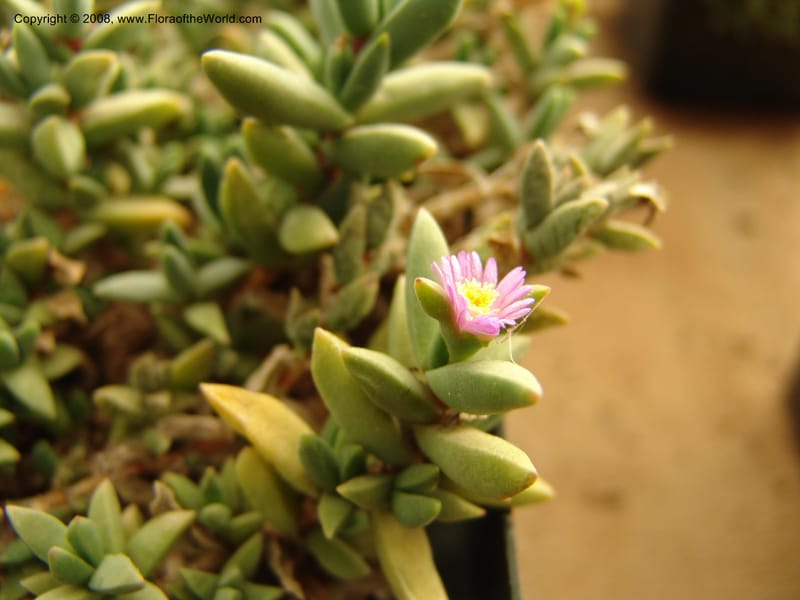
Psammophora modesta (Dinter & A.Berger) Dinter & Schwantes

Protologue Z. Sukkulentenk. 2: 189. 1926IPNI
AcceptedGBIF
Predicted not threatened
Psammophora modesta, SV 28934--So. Africa. Pretoria Nat. Bot. Gard. 25 Jun 04. 061.jpg
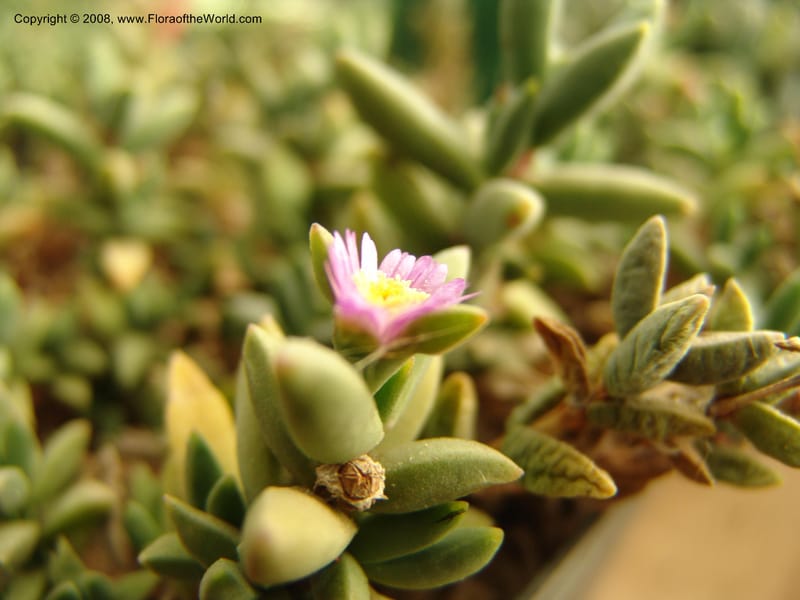
Psammophora modesta, SV 28934--So. Africa. Pretoria Nat. Bot. Gard. 25 Jun 04. 061.jpg

By Christopher Davidson

CC-BY-NC-SA-4.0

Psammophora modesta, SV 28934--So. Africa. Pretoria Nat. Bot. Gard. 25 Jun 04. 062.jpg
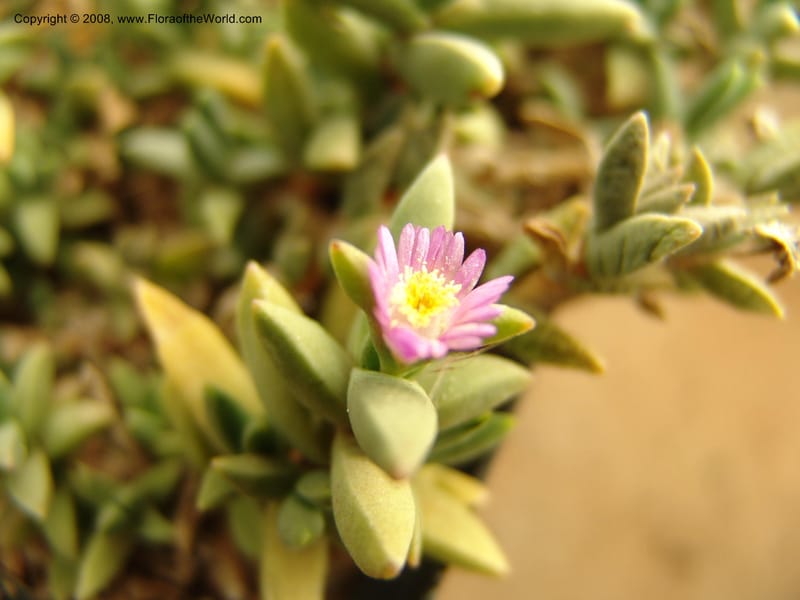
Psammophora modesta, SV 28934--So. Africa. Pretoria Nat. Bot. Gard. 25 Jun 04. 062.jpg

By Christopher Davidson

CC-BY-NC-SA-4.0

Psammophora modesta, SV 28934--So. Africa. Pretoria Nat. Bot. Gard. 25 Jun 04. 063.jpg

Psammophora modesta, SV 28934--So. Africa. Pretoria Nat. Bot. Gard. 25 Jun 04. 063.jpg

By Christopher Davidson

CC-BY-NC-SA-4.0

Kingdom

Plantae

Phylum

Tracheophyta

Class

Magnoliopsida

Order

Caryophyllales

Family

Aizoaceae

Genus

Psammophora

Species

modesta

Taxonomic opinions

GBIFPOWO

Distribution

Native to Cape Provinces, Namibia (source: POWO). Flora of the World documents 1 occurrence across 1 country.

Showing the global range from POWO; no georeferenced specimens for this taxon.

Distribution from Plants of the World Online (POWO). View the accepted name on POWO

Occurrences

SV 28934

June 25, 2004

Location

South Africa, Gauteng (Pretoria National Botanical Garden)

Location Remarks

The garden is located at 2 Cussonia Ave., between Pretoria Road and Cussonia Avenue in Brummeria, eastern Pretoria.

Collectors

No collectors specified

Conservation (EDGE)

What is EDGE?

Evolutionary distinctiveness

Lower

ED 2.2

Part of a well-represented branch of the plant tree of life, with many close relatives.

Threat status

Predicted not threatened

Modelled estimate

EDGE score

0.2

Global rank

#180,488 of 335,497

Top 54%

Extinction probability

13%

Source: Flowering plants EDGE assessment →