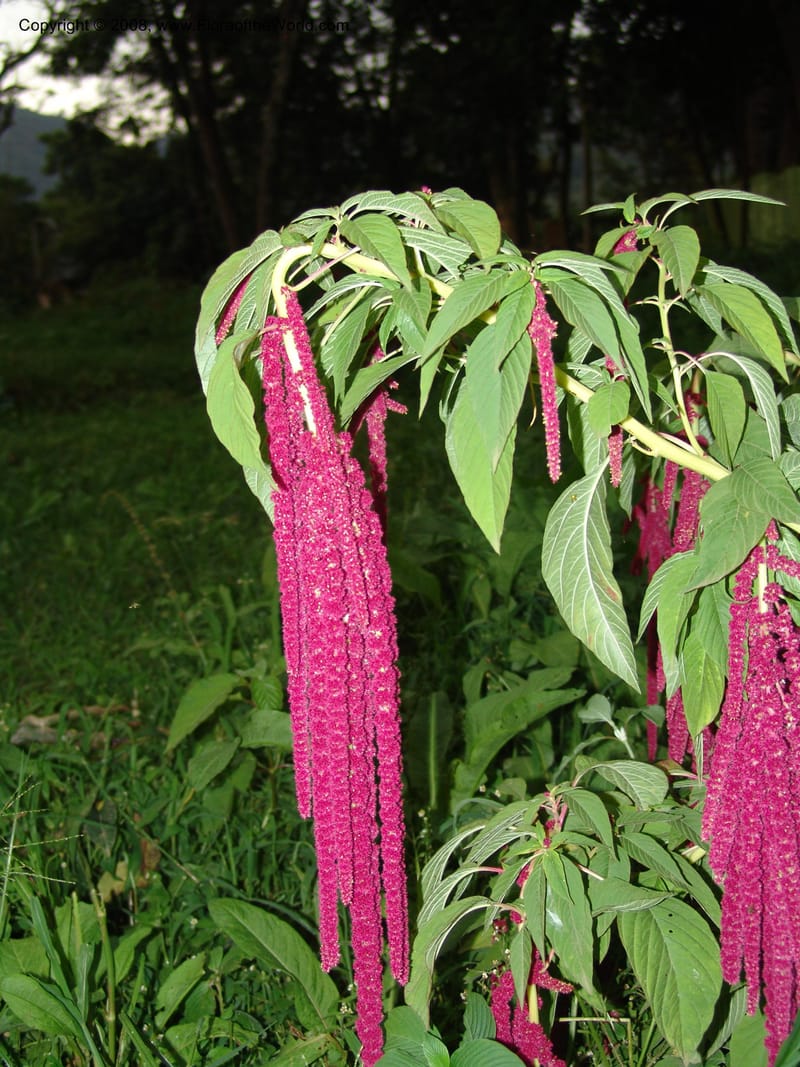
Amaranthus caudatus--Ethiopia. Wendo Genet, near Wabe Shebelle Hotel. 13 Jul 04. 018.jpg
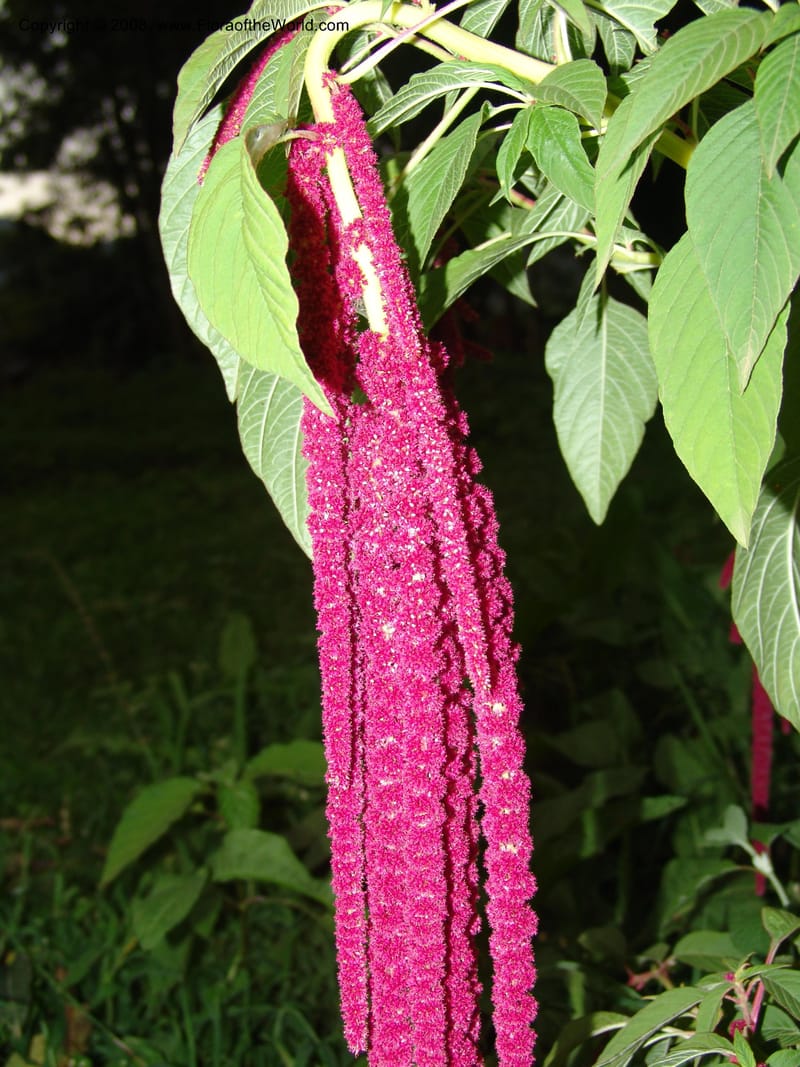
Amaranthus caudatus--Ethiopia. Wendo Genet, near Wabe Shebelle Hotel. 13 Jul 04. 019.jpg
Native to Argentina Northwest, Bolivia, Ecuador, Peru; introduced into 116 botanical countries across Europe, Africa, Temperate Asia, Tropical Asia, Australasia, Northern America, and Southern America (source: POWO). Flora of the World documents 1 occurrence across 1 country.
Location
Ethiopia, Southern Nations, Sidma
7.098611, 36.640833
Location Remarks
South of Shashemene and east of Wondo Genet, near Wabe Shebelle Hotel. Degraded forest fragment near the hotel
Collectors
No collectors specified
Kingdom
Plantae
Phylum
Tracheophyta
Class
Magnoliopsida
Order
Caryophyllales
Family
Amaranthaceae
Genus
Amaranthus
Specific Epithet
caudatus
Authorship
L.
What is EDGE?
Evolutionary distinctiveness
Lower
ED 1.0
Part of a well-represented branch of the plant tree of life, with many close relatives.
Threat status
Modelled estimate
EDGE score
0.1
Global rank
#267,914 of 335,497
Top 80%
Extinction probability
10%
