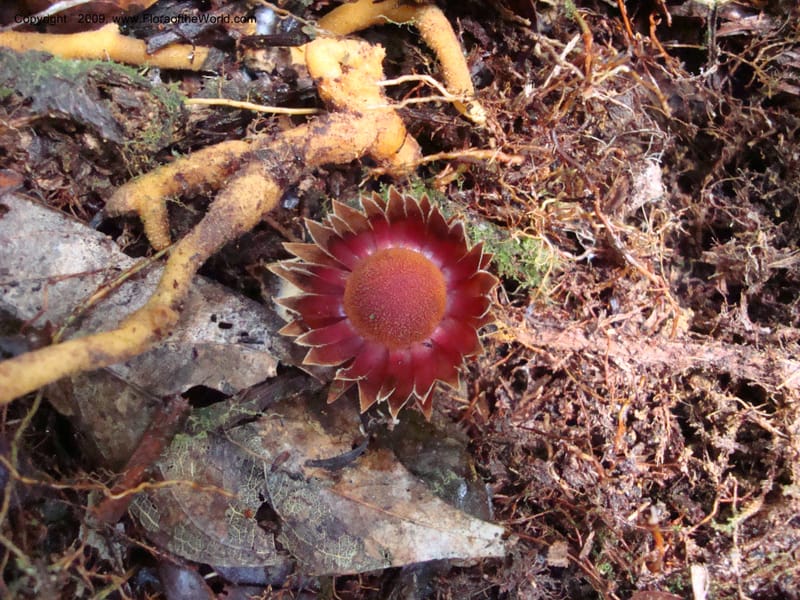
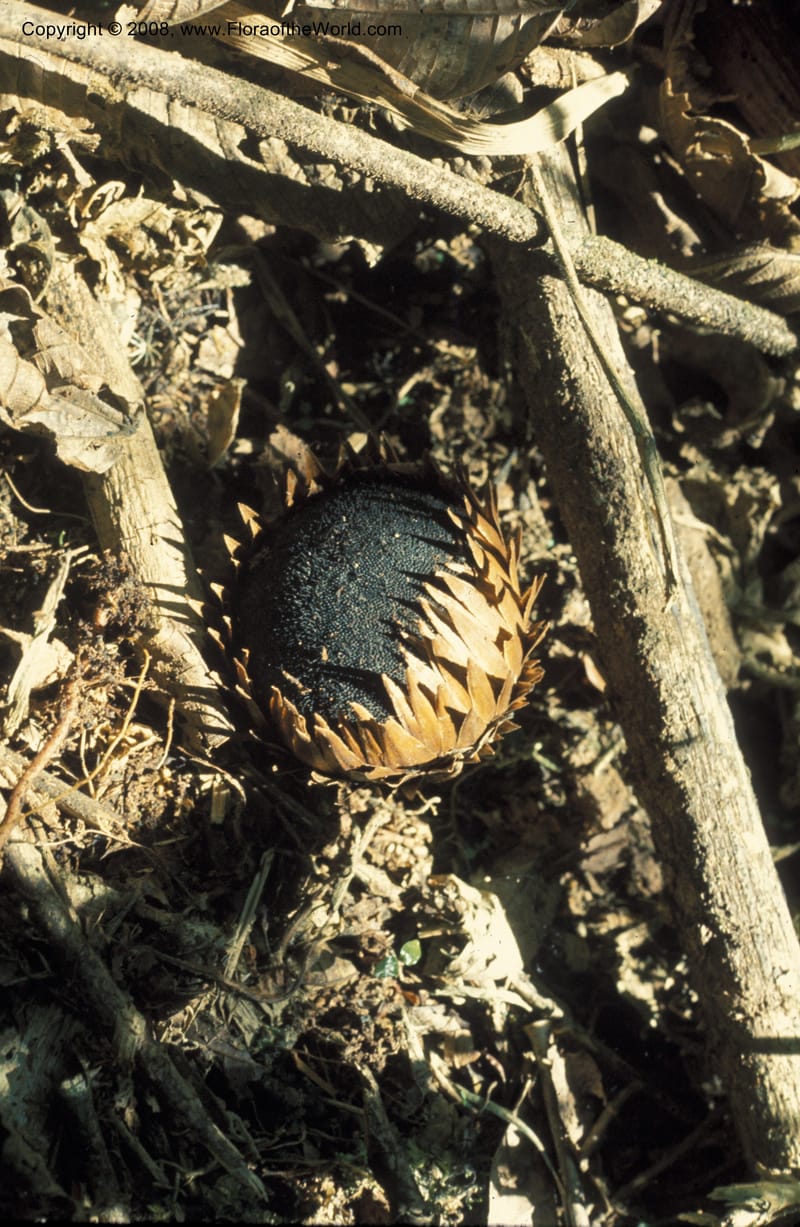
Langsdorffia, D. Neill 15942--Ecuador.Prov.ZamoraC.WawaimePlotEcuacorriente 22 Sep 2007 117 (1).jpg
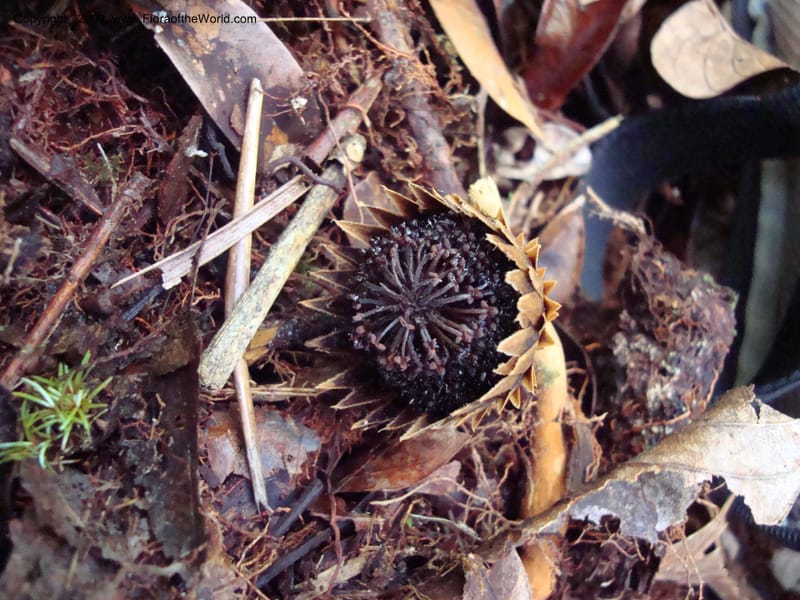
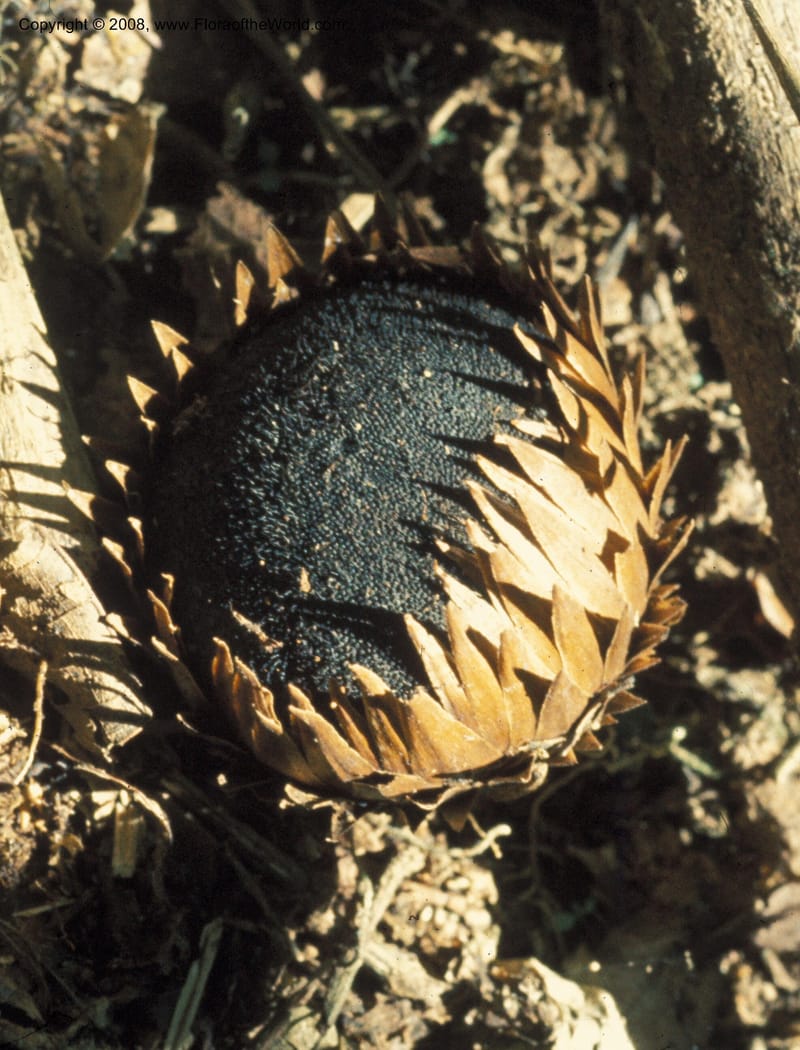
Langsdorffia, D. Neill 15942--Ecuador.Prov.ZamoraC.WawaimePlotEcuacorriente 22 Sep 2007 117 (2).jpg
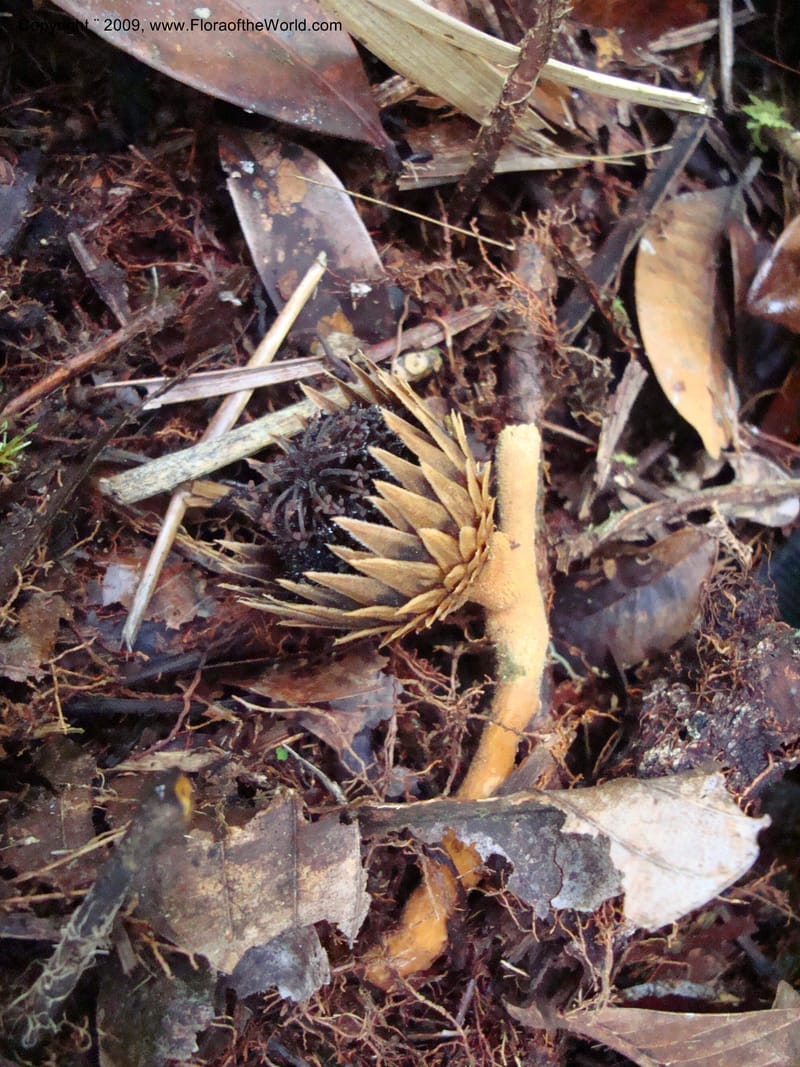
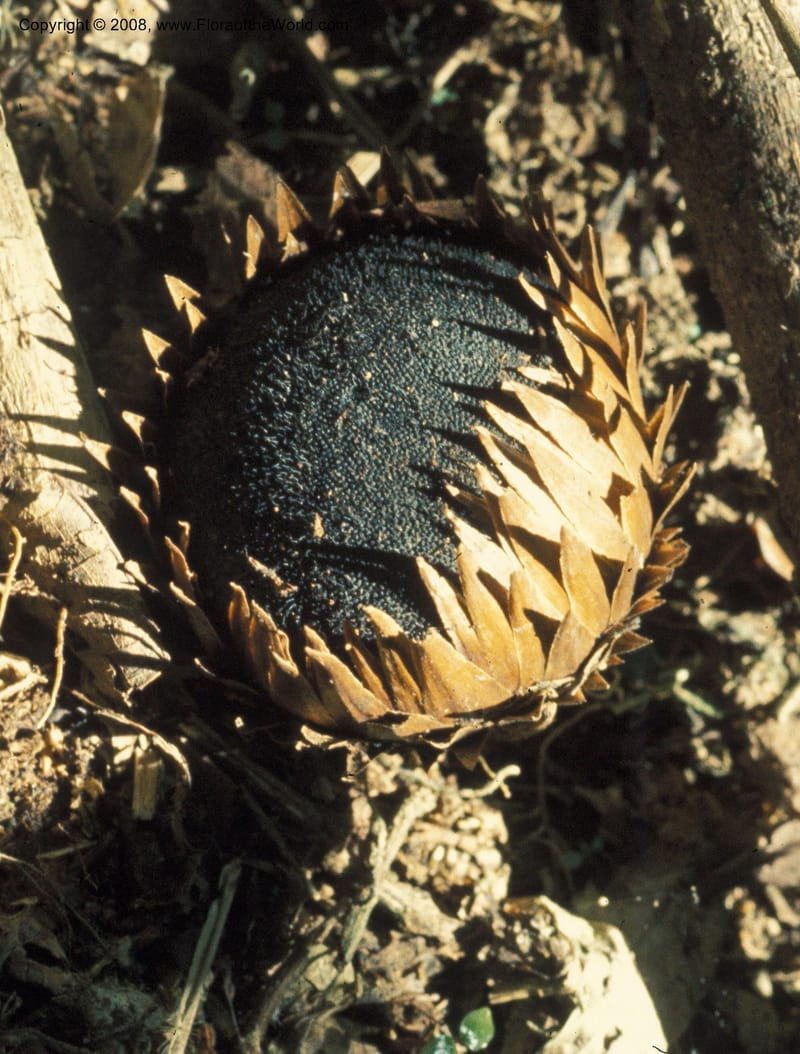
Langsdorffia, D. Neill 15942--Ecuador.Prov.ZamoraC.WawaimePlotEcuacorriente 22 Sep 2007 117.jpg
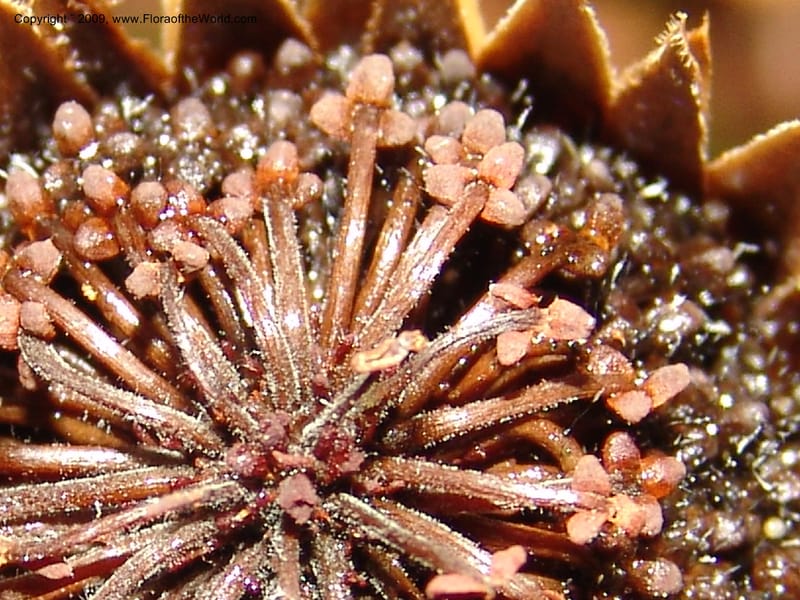
Langsdorffia hypogaea, DNeill15942--Ecuador. Prv. Zam. Ch. C del Condor. Wawaime plot. 22 Sep 07. 145.jpg
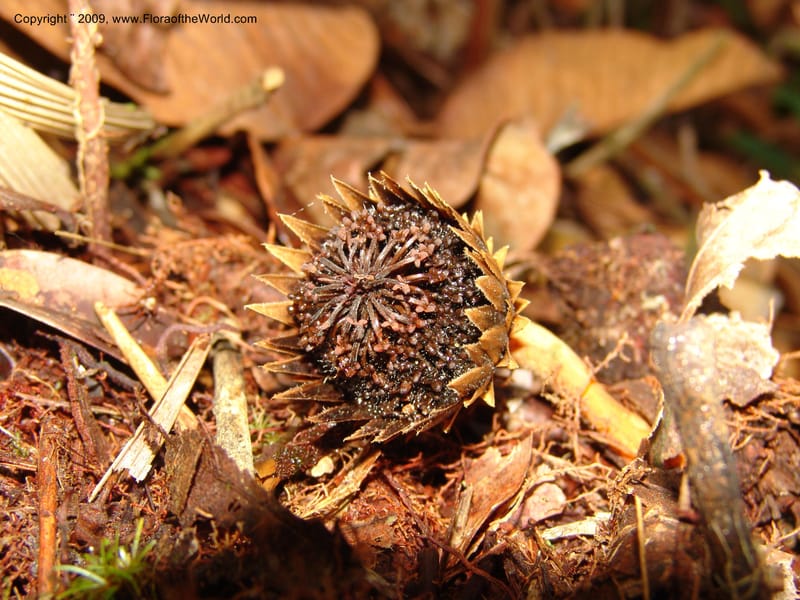
Langsdorffia hypogaea, DNeill15942--Ecuador. Prv. Zam. Ch. C del Condor. Wawaime plot. 22 Sep 07. 138.jpg
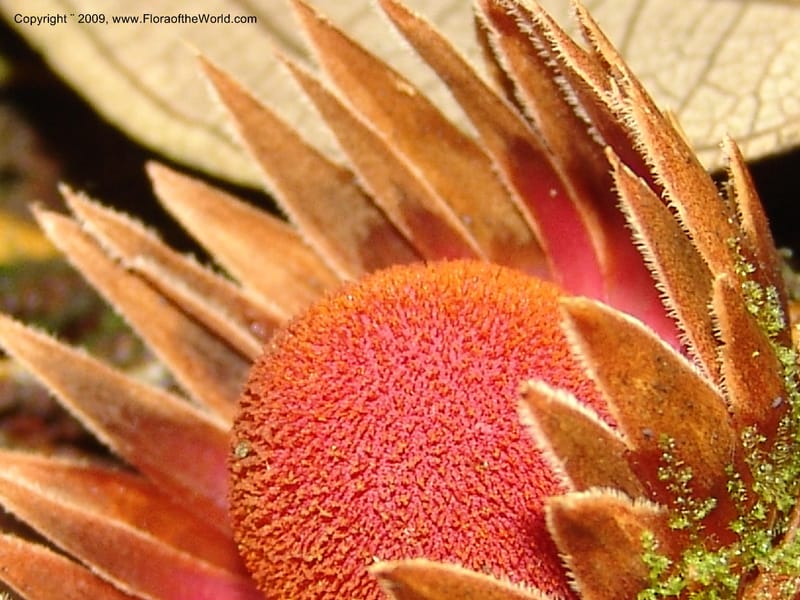
Langsdorffia hypogaea, DNeill15942--Ecuador. Prv. Zam. Ch. C del Condor. Wawaime plot. 22 Sep 07. 131.jpg
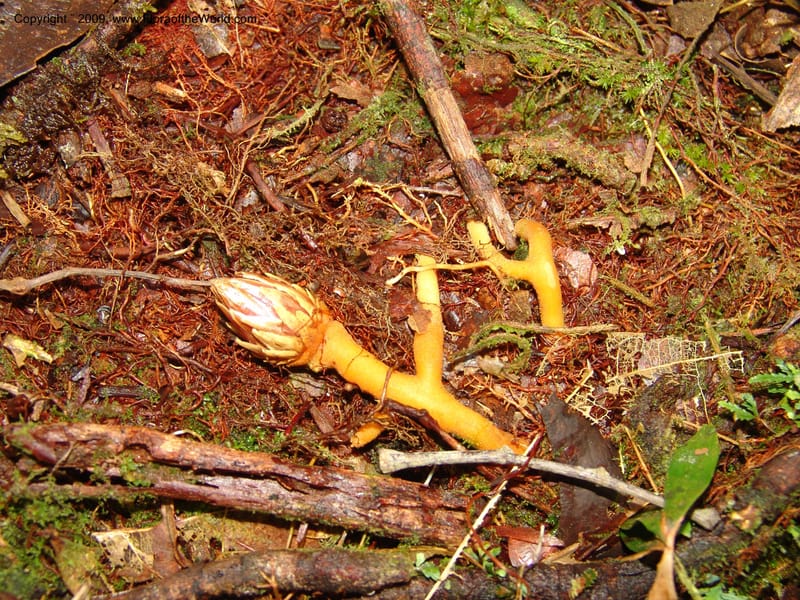
Langsdorffia hypogaea, DNeill15942--Ecuador. Prv. Zam. Ch. C del Condor. Wawaime plot. 22 Sep 07. 132.jpg
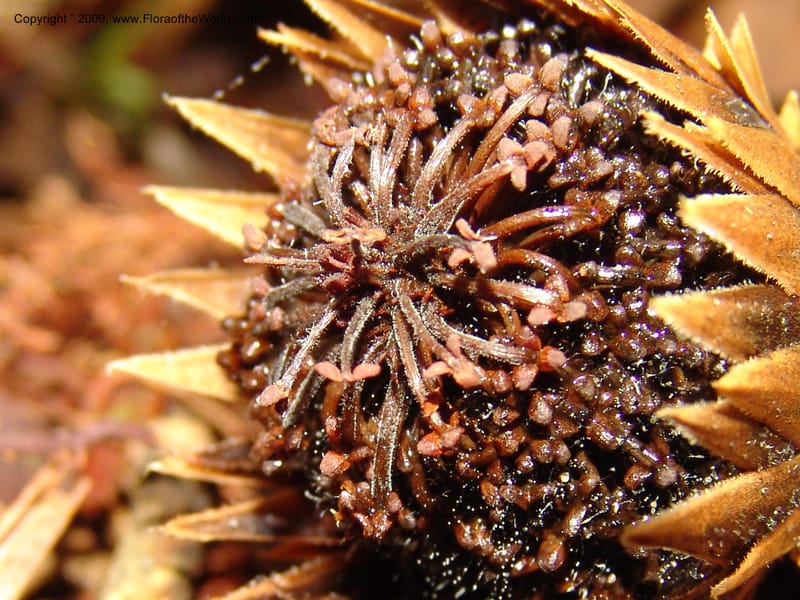
Langsdorffia hypogaea, DNeill15942--Ecuador. Prv. Zam. Ch. C del Condor. Wawaime plot. 22 Sep 07. 137.jpg
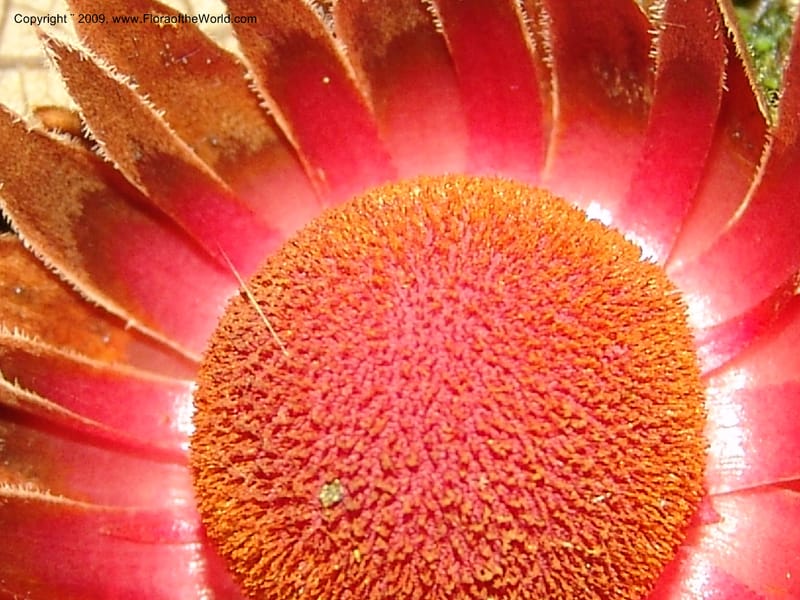
Langsdorffia hypogaea, DNeill15942--Ecuador. Prv. Zam. Ch. C del Condor. Wawaime plot. 22 Sep 07. 128.jpg
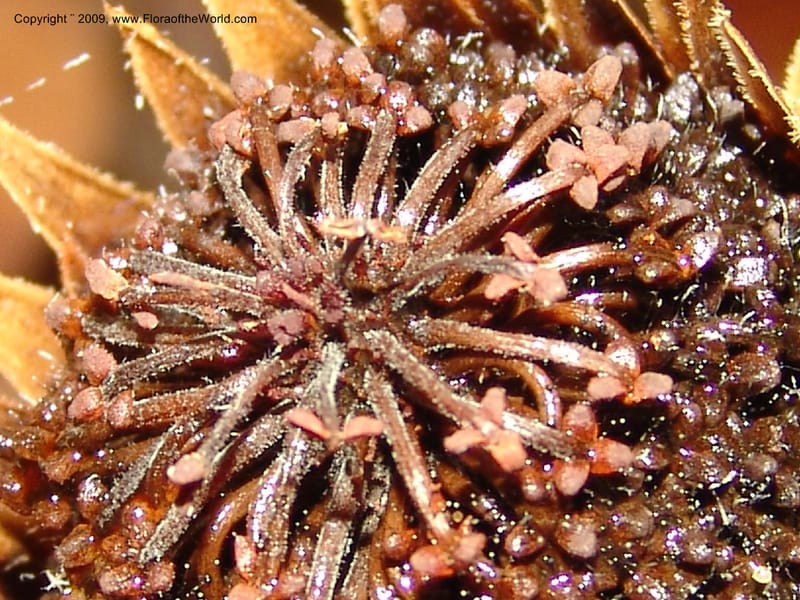
Langsdorffia hypogaea, DNeill15942--Ecuador. Prv. Zam. Ch. C del Condor. Wawaime plot. 22 Sep 07. 143.jpg
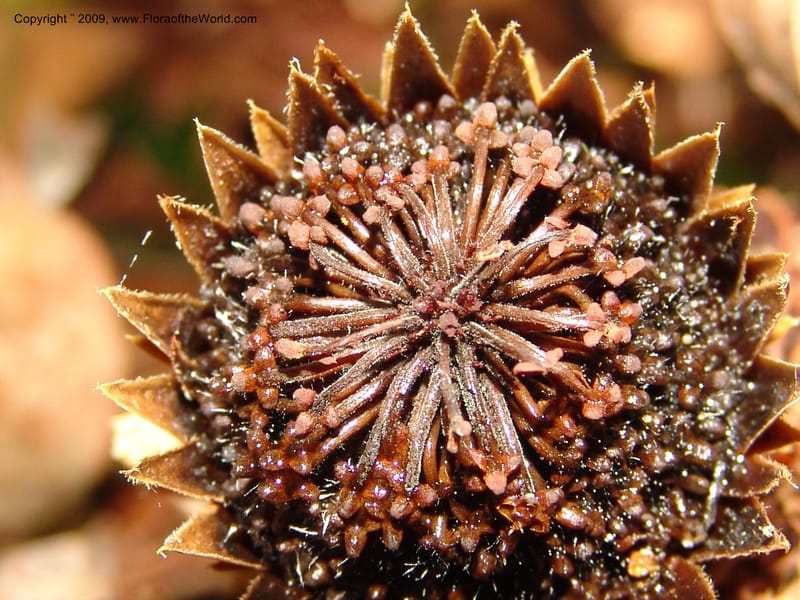
Langsdorffia hypogaea, DNeill15942--Ecuador. Prv. Zam. Ch. C del Condor. Wawaime plot. 22 Sep 07. 144.jpg
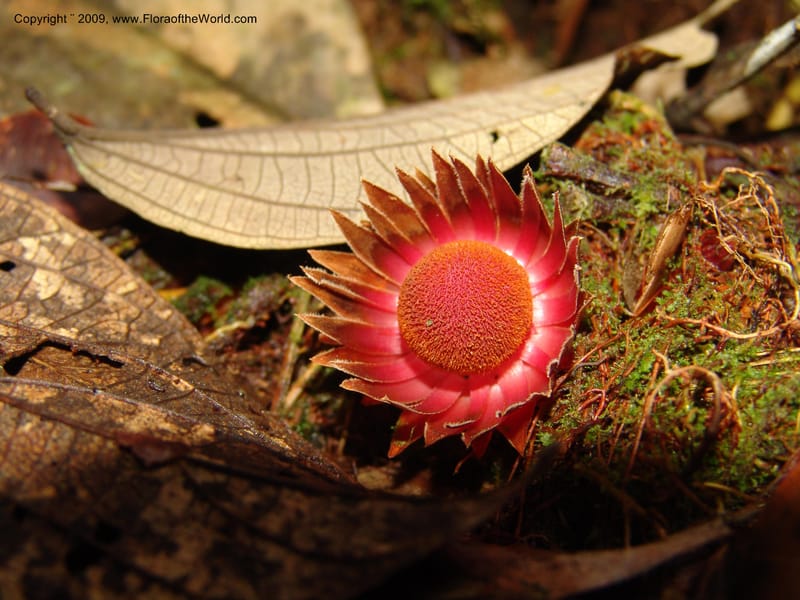
Langsdorffia hypogaea, DNeill15942--Ecuador. Prv. Zam. Ch. C del Condor. Wawaime plot. 22 Sep 07. 126.jpg
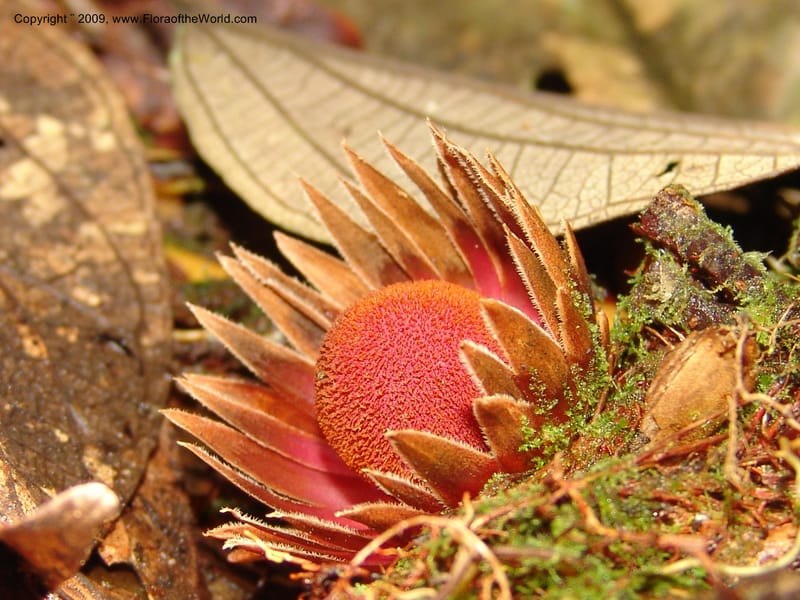
Langsdorffia hypogaea, DNeill15942--Ecuador. Prv. Zam. Ch. C del Condor. Wawaime plot. 22 Sep 07. 130.jpg
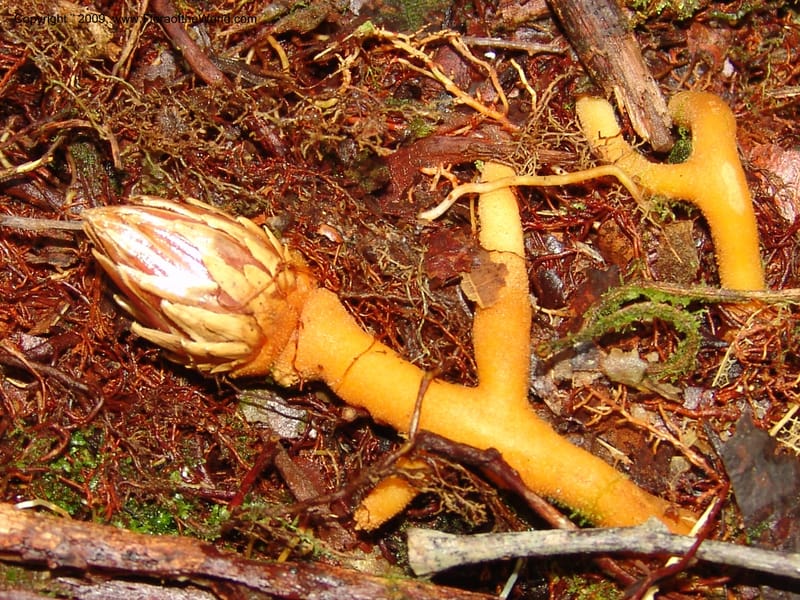
Langsdorffia hypogaea, DNeill15942--Ecuador. Prv. Zam. Ch. C del Condor. Wawaime plot. 22 Sep 07. 133.jpg
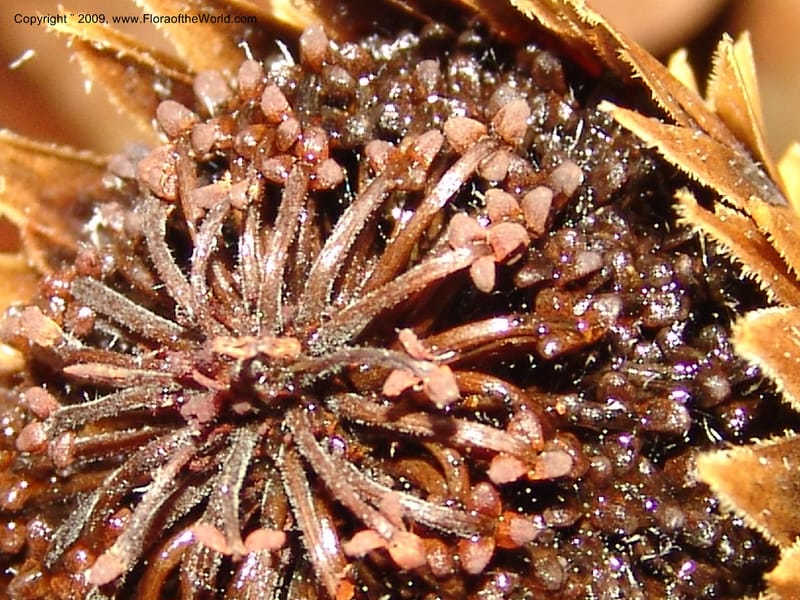
Langsdorffia hypogaea, DNeill15942--Ecuador. Prv. Zam. Ch. C del Condor. Wawaime plot. 22 Sep 07. 140.jpg
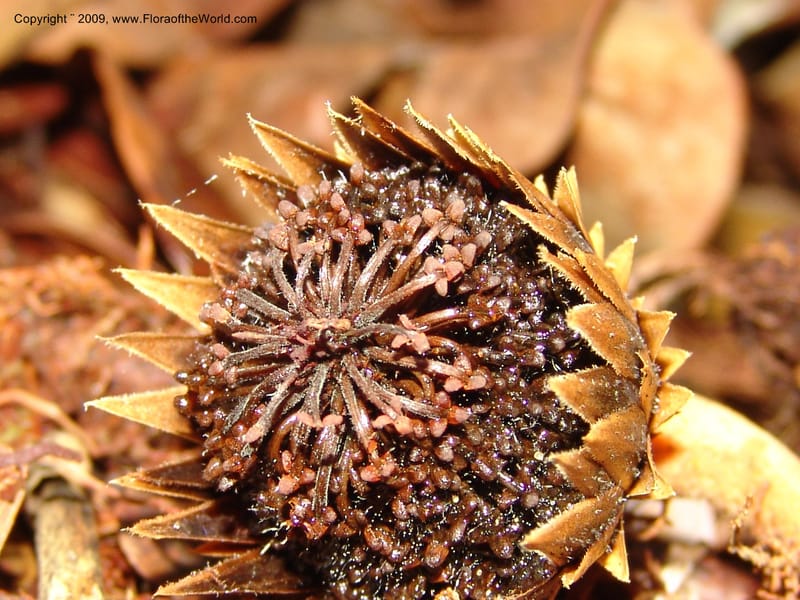
Langsdorffia hypogaea, DNeill15942--Ecuador. Prv. Zam. Ch. C del Condor. Wawaime plot. 22 Sep 07. 139.jpg
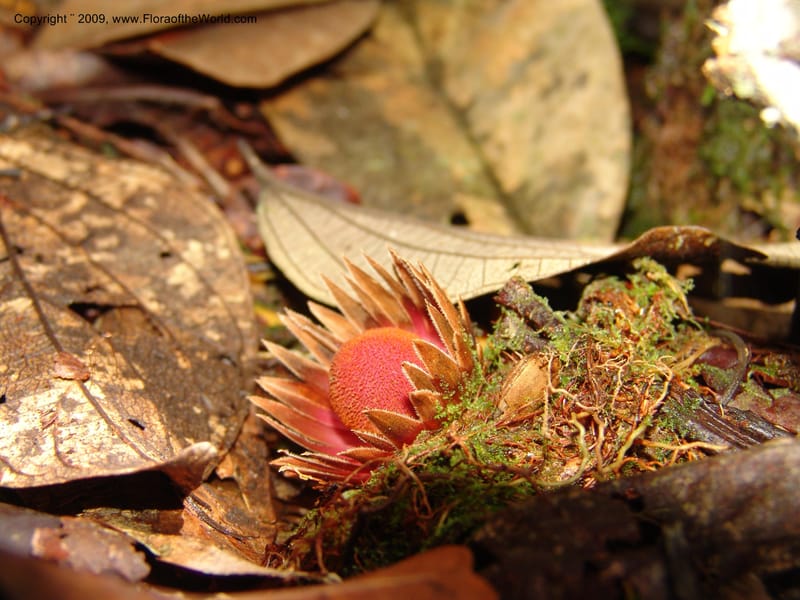
Langsdorffia hypogaea, DNeill15942--Ecuador. Prv. Zam. Ch. C del Condor. Wawaime plot. 22 Sep 07. 129.jpg
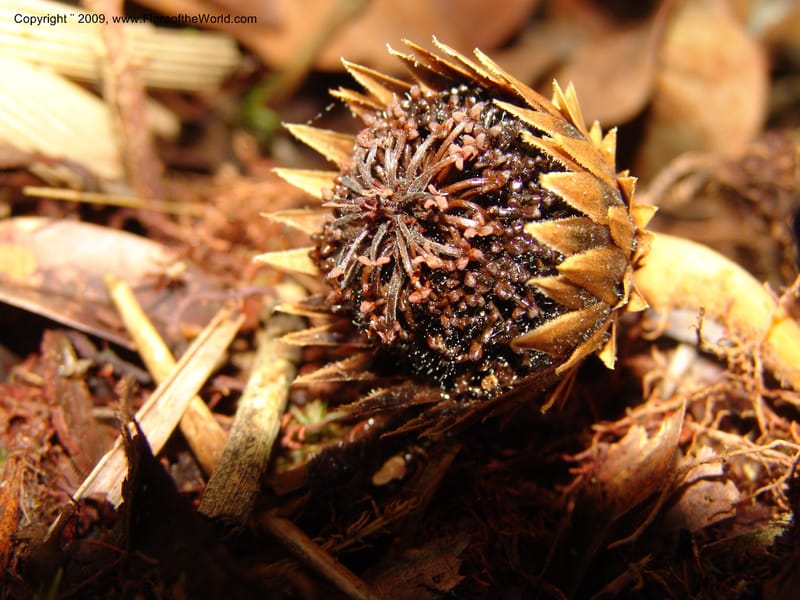
Langsdorffia hypogaea, DNeill15942--Ecuador. Prv. Zam. Ch. C del Condor. Wawaime plot. 22 Sep 07. 136.jpg
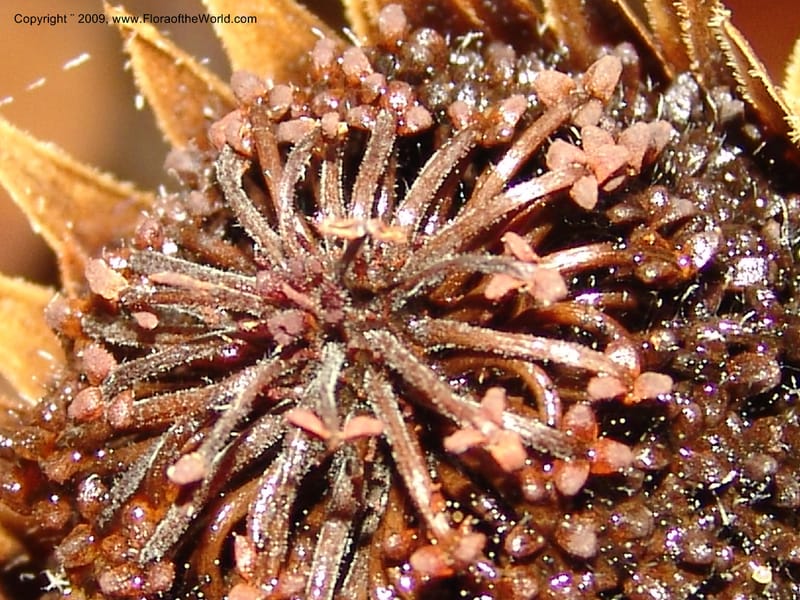
Langsdorffia hypogaea, DNeill15942--Ecuador. Prv. Zam. Ch. C del Condor. Wawaime plot. 22 Sep 07. 142.jpg
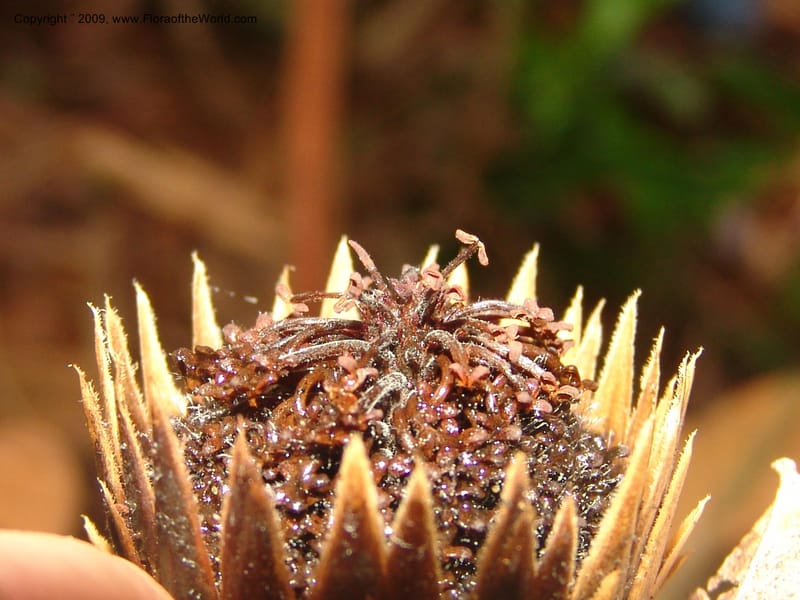
Langsdorffia hypogaea, DNeill15942--Ecuador. Prv. Zam. Ch. C del Condor. Wawaime plot. 22 Sep 07. 146.jpg
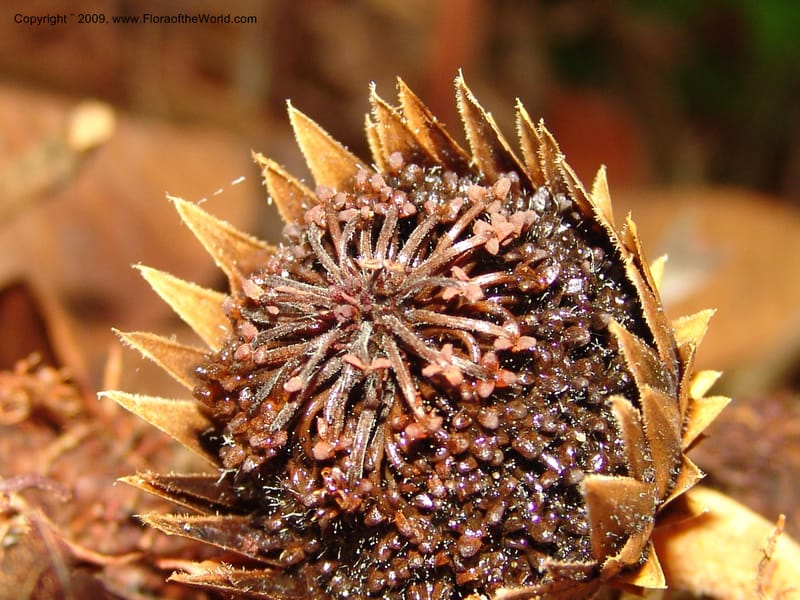
Langsdorffia hypogaea, DNeill15942--Ecuador. Prv. Zam. Ch. C del Condor. Wawaime plot. 22 Sep 07. 141.jpg
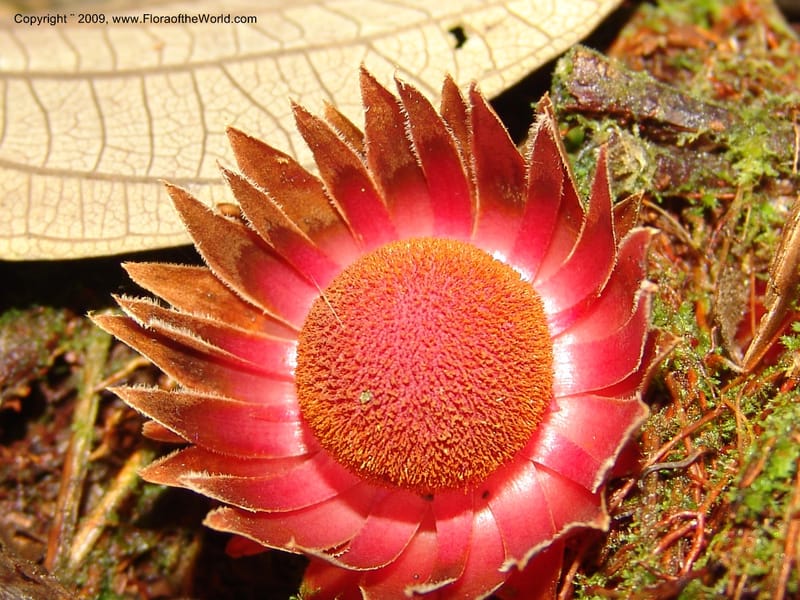
Langsdorffia hypogaea, DNeill15942--Ecuador. Prv. Zam. Ch. C del Condor. Wawaime plot. 22 Sep 07. 127.jpg
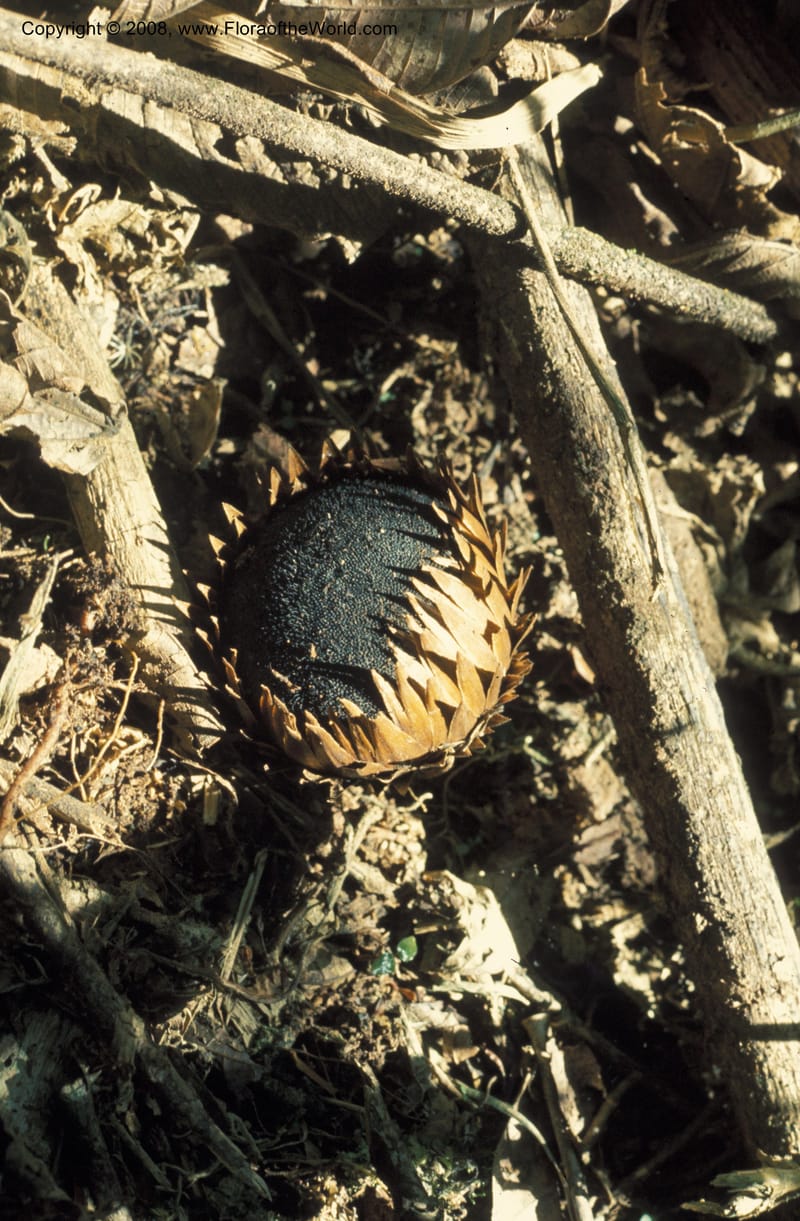
Langsdorffia hypogaea, CDavidson5155--Bolivia. Chapare. 91 km ne of Cochabamba. 23 Nov 76. 012.jpg
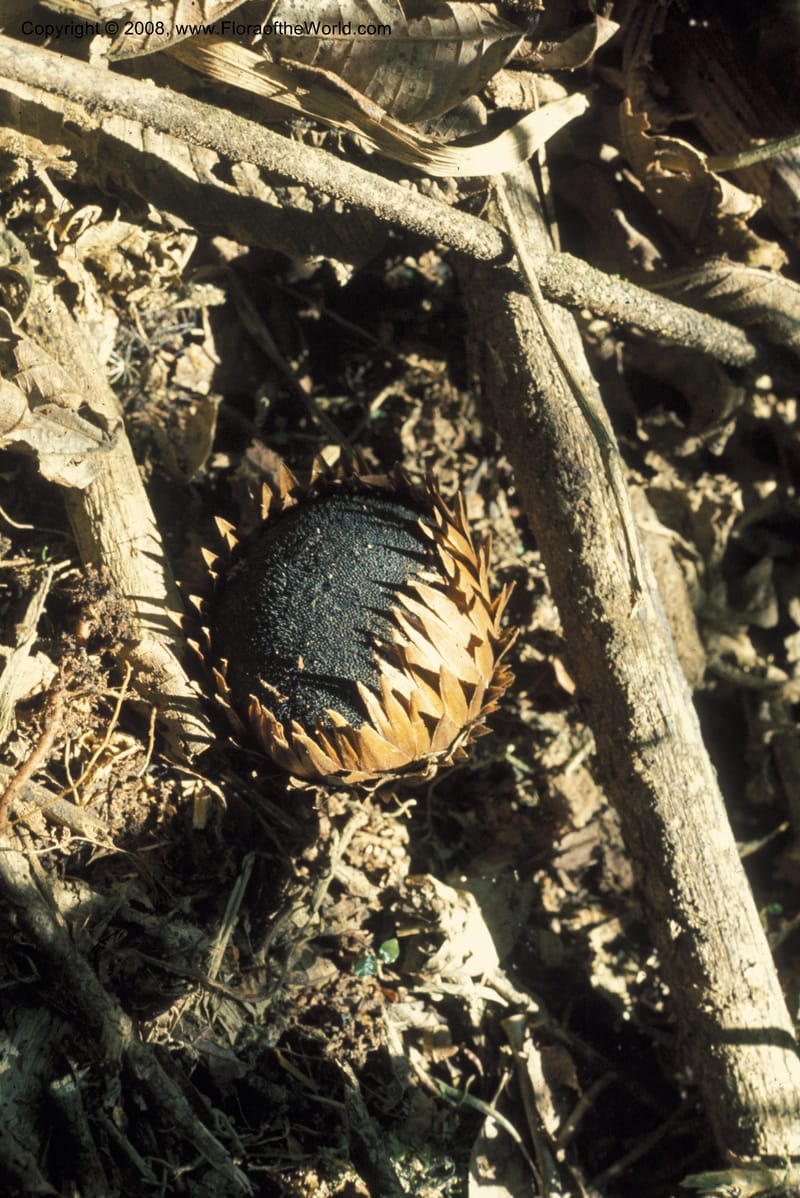
Langsdorffia hypogaea, CDavidson5155--Bolivia. Chapare. 91 km ne of Cochabamba. 23 Nov 76. 002.jpg
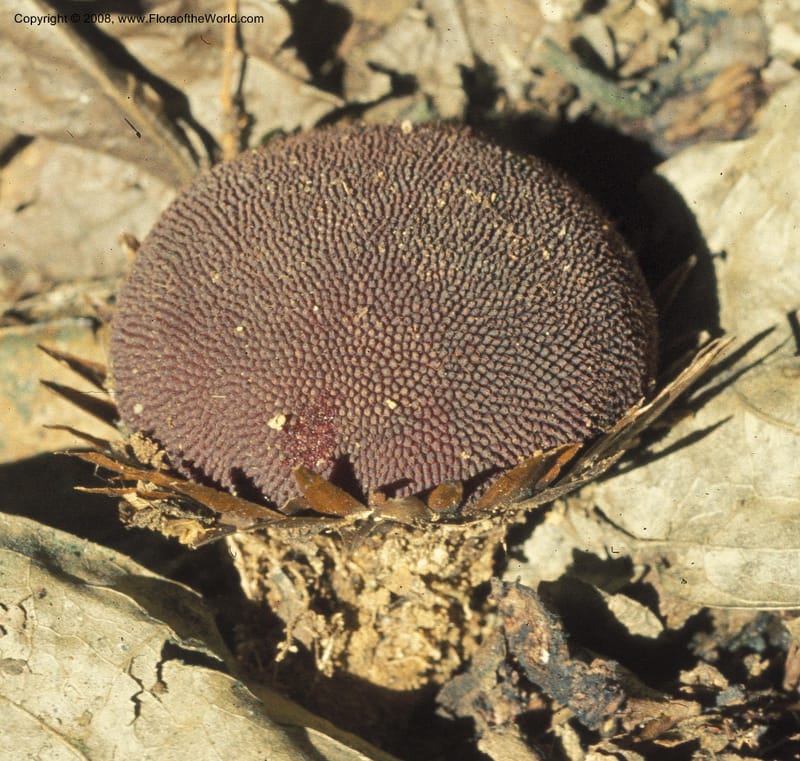
Langsdorffia hypogaea, CDavidson5155--Bolivia. Chapare. 91 km ne of Cochabamba. 23 Nov 76. 004.jpg
Langsdorffia hypogaea, CDavidson5155--Bolivia. Chapare. 91 km ne of Cochabamba. 23 Nov 76. 002B.jpg
Langsdorffia hypogaea, CDavidson5155--Bolivia. Chapare. 91 km ne of Cochabamba. 23 Nov 76. 012B.jpg
Langsdorffia hypogaea, CDavidson5155--Bolivia. Chapare. 91 km ne of Cochabamba. 23 Nov 76. 001B.jpg
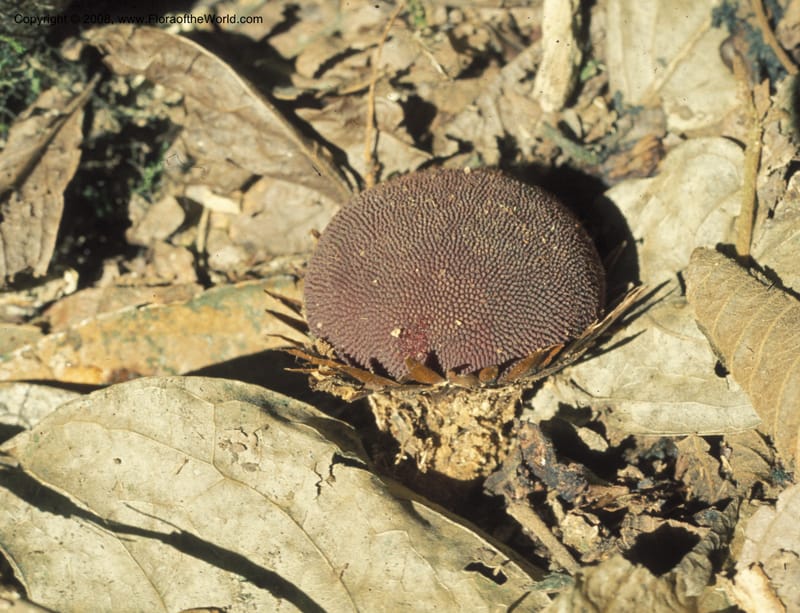
Langsdorffia hypogaea, CDavidson5155--Bolivia. Chapare. 91 km ne of Cochabamba. 23 Nov 76. 001.jpg
Native to Bolivia, Brazil North, Brazil Northeast, Brazil South, Brazil Southeast, Brazil West-Central, Colombia, Costa Rica, Ecuador, Guatemala, Guyana, Mexico Southwest, Nicaragua, Panamá, Paraguay, Peru, Venezuela (source: POWO). Flora of the World documents 3 occurrences across 2 countries.
Location
Ecuador, Zamora Chinchipe (Zamora Canton)
-3.973694, -79.077333
Location Remarks
Vía Loja-Zamora, Estación Cientifica San Francisco, sendero zig-zag, camino canal y Q2. 1862 m elev.
Collectors
David A. Neill, Christopher Davidson, Sharon R. Christoph
Notes
Root parasite, achlorophyllous. Leaves form involucre-like circle around inflorescence. Flowers emerging from ground, in shaded forest. Scale-like leaves brown at base, light brown at apex. flowers pink-orange.
Location
Bolivia, Cochabamba, Chapare
Location Remarks
Ca. 91 km northeast of Cochabamba on what is now Route 7, along a river, in a bamboo grove.
Collectors
Location
Ecuador, Zamora Chinchipe, El Pangui (El Pangui Canton)
-3.630278, -78.447222
Location Remarks
Cordillera del Cóndor. Summit area of sandstone plateau, a western spur of the Cóndor, Contrafuerte Tres Patines, south of Río Tundayme, above the military road to Cóndor Mirador. Dense, wet dwarf forest and low shrubby vegetation. 1680 m elev.
Collectors
David A. Neill, Christopher Davidson, Sharon R. Christoph
Notes
Root parasite, achlorophyllous. Leaves form involucre-like circle around inflorescence. Flowers emerging from ground, in shaded forest. Scale-like leaves brown at base, light brown at apex. flowers pink-orange.
Kingdom
Plantae
Phylum
Tracheophyta
Class
Magnoliopsida
Order
Santalales
Family
Balanophoraceae
Genus
Langsdorffia
Specific Epithet
hypogaea
Authorship
Mart.
What is EDGE?
Evolutionary distinctiveness
Moderate
ED 21.5
Moderately distinct — it has closer living relatives than the most isolated species.
Threat status
Modelled estimate
EDGE score
1.6
Global rank
#20,913 of 335,497
Top 7%
Extinction probability
9%
