Flora of the World logo
MapPublicationsInstitutionsImpactAboutContactAcknowledgements

Copyright © 2008-2026 Flora of The World. All Rights Reserved.

Visit floraoftheworld.orgLogin
Taxon

Lunaria annua L.

Protologue Sp. Pl. 2: 653. 1753 [1 May 1753]BHL pageIPNI
AcceptedGBIF
Predicted not threatened
All1subsp. annua1
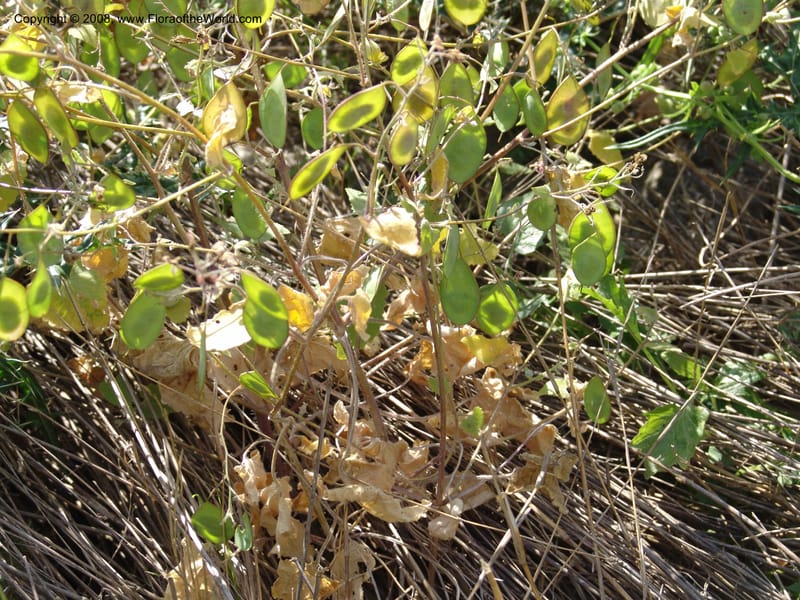
Lunaria annua ssp pachyrhiza--Crete. Ep. Apokoronos. Aptera. 23 May 05. 101.jpg
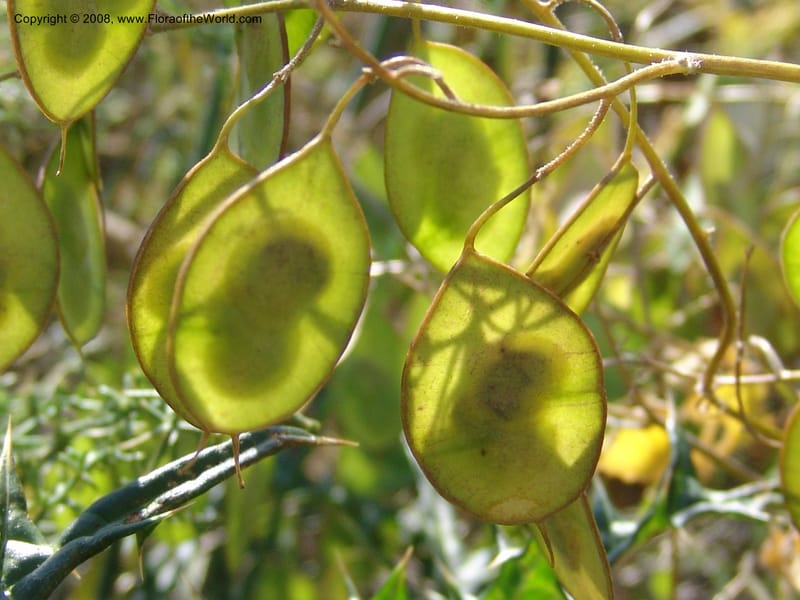
Lunaria annua ssp pachyrhiza--Crete. Ep. Apokoronos. Aptera. 23 May 05. 101.jpg

By Christopher Davidson

CC-BY-NC-SA-4.0

Lunaria annua ssp pachyrhiza--Crete. Ep. Apokoronos. Aptera. 23 May 05. 104.jpg
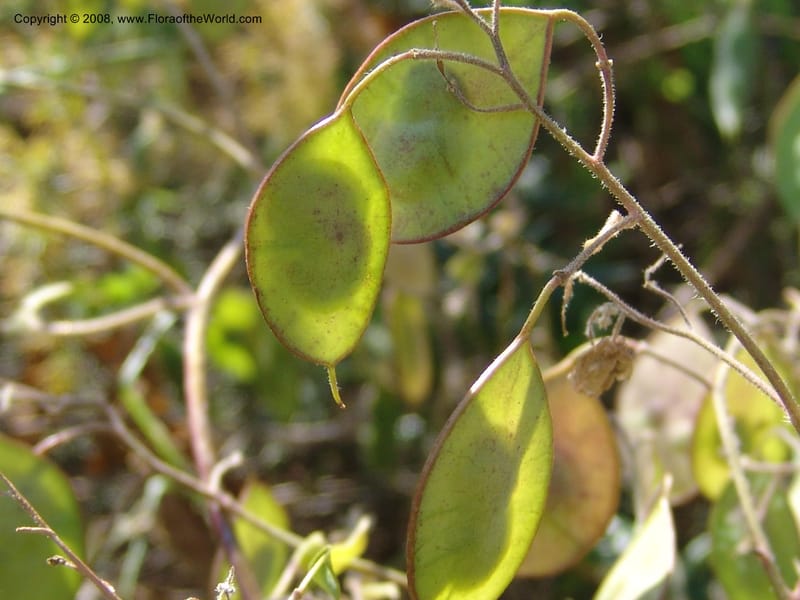
Lunaria annua ssp pachyrhiza--Crete. Ep. Apokoronos. Aptera. 23 May 05. 104.jpg

By Christopher Davidson

CC-BY-NC-SA-4.0

Lunaria annua ssp pachyrhiza--Crete. Ep. Apokoronos. Aptera. 23 May 05. 105.jpg
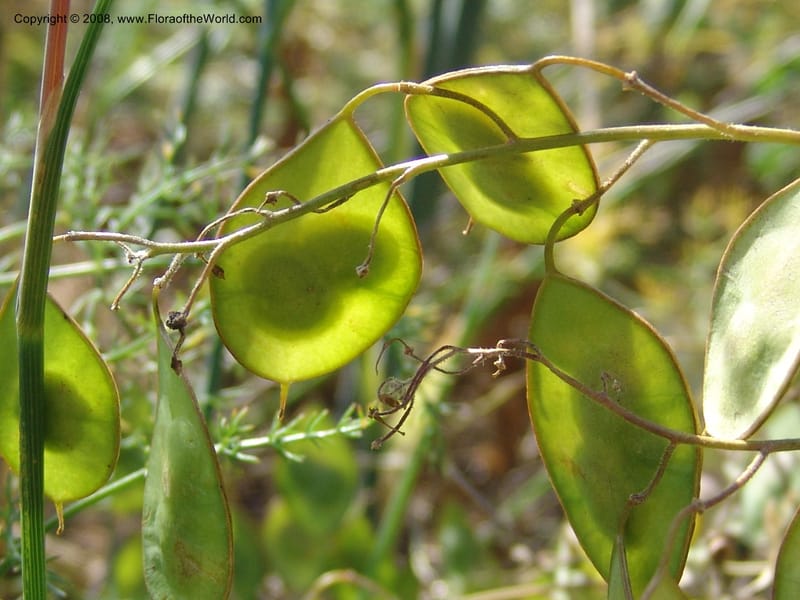
Lunaria annua ssp pachyrhiza--Crete. Ep. Apokoronos. Aptera. 23 May 05. 105.jpg

By Christopher Davidson

CC-BY-NC-SA-4.0

Lunaria annua ssp pachyrhiza--Crete. Ep. Apokoronos. Aptera. 23 May 05. 106.jpg

Lunaria annua ssp pachyrhiza--Crete. Ep. Apokoronos. Aptera. 23 May 05. 106.jpg

By Christopher Davidson

CC-BY-NC-SA-4.0

Kingdom

Plantae

Phylum

Tracheophyta

Class

Magnoliopsida

Order

Brassicales

Family

Brassicaceae

Genus

Lunaria

Species

annua

Taxonomic opinions

GBIFWFOPOWO

Distribution

Global range is not yet available in Plants of the World Online. Flora of the World documents 1 occurrence across 1 country.

subsp. annua

Occurrences

No collection number

May 24, 2005

Identified as

Lunaria annua subsp. annua

Location

Greece, Crete, Chania (Apokoronos)

35.4275, 24.189167

Location Remarks

Roadside near Douliana, ca. 20 km east of Chania.

Collectors

No collectors specified

Conservation (EDGE)

What is EDGE?

Evolutionary distinctiveness

Moderate

ED 20.2

Moderately distinct — it has closer living relatives than the most isolated species.

Threat status

Predicted not threatened

Modelled estimate

EDGE score

1.6

Global rank

#21,297 of 335,497

Top 7%

Extinction probability

10%

Source: Flowering plants EDGE assessment →