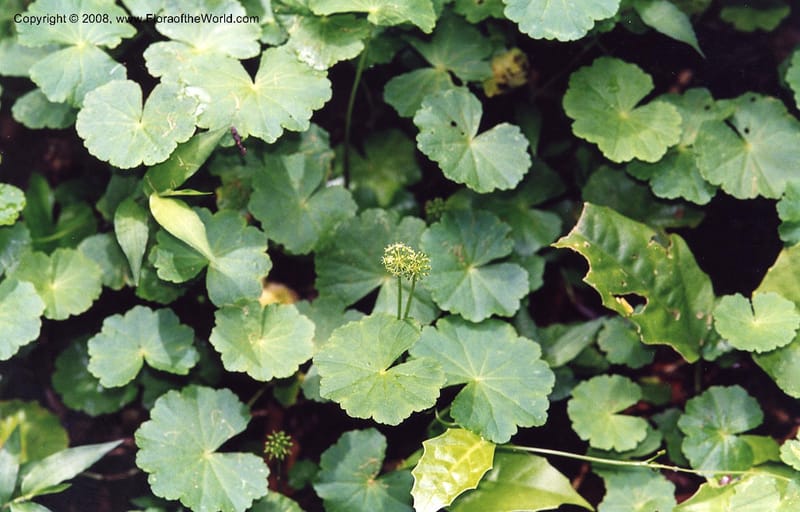
Hydrocotyle mexicana, not coll.--MX. Veracruz. Volcan San Martin. 25 May 01. 004.JPG
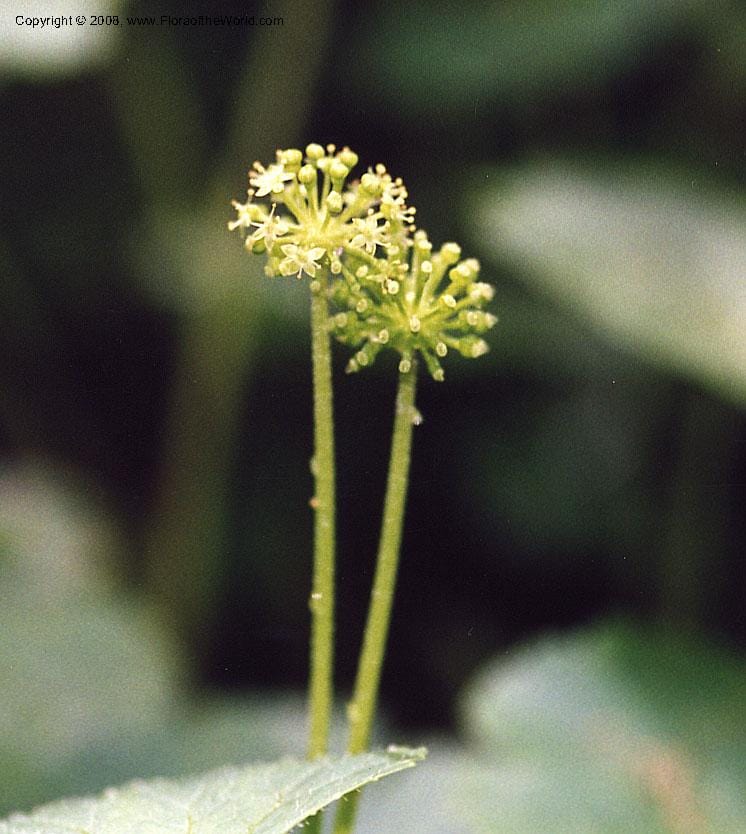
Hydrocotyle mexicana, not coll.--MX. Veracruz. Volcan San Martin. 25 May 01. 002.JPG
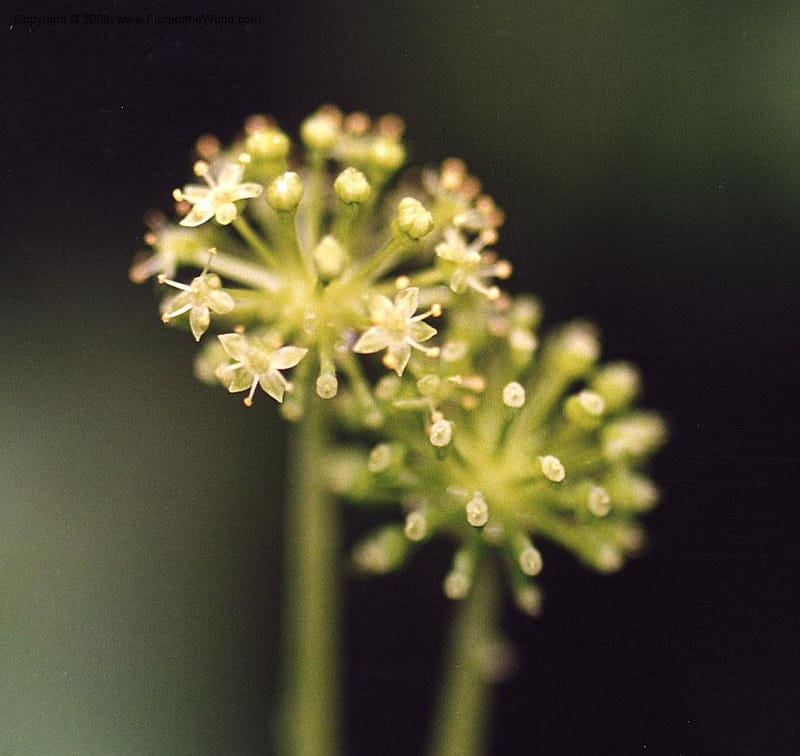
Hydrocotyle mexicana, not coll.--MX. Veracruz. Volcan San Martin. 25 May 01. 003.JPG
Native to Colombia, Costa Rica, Ecuador, El Salvador, Guatemala, Honduras, Mexico Central, Mexico Gulf, Mexico Northeast, Mexico Southeast, Mexico Southwest, Nicaragua, Panamá (source: POWO). Flora of the World documents 1 occurrence across 1 country.
Distribution from Plants of the World Online (POWO). View the accepted name on POWO
Location
Mexico, Veracruz (San Andrés Tuxtla)
18.541111, -95.196389
Location Remarks
Volcan San Martin, lower and upper western slopes.
Collectors
Arturo Rincon, Carlos Duran-Espinosa, Christopher Davidson, James F. Smith
What is EDGE?
Evolutionary distinctiveness
Lower
ED 1.0
Part of a well-represented branch of the plant tree of life, with many close relatives.
Threat status
Modelled estimate
EDGE score
0.1
Global rank
#260,397 of 335,497
Top 78%
Extinction probability
11%
